
Type: Industry News
Film and TV Production claimed a combined £1.6bn in UK tax reliefs in 2024/25
HMRC’s Latest Film & High-End TV Figures
Film and TV production claimed a combined £1.6bn in UK tax reliefs in the financial year 2024/25, according to provisional figures released by HM Revenue and Customs. This is broadly in line with the previous year.
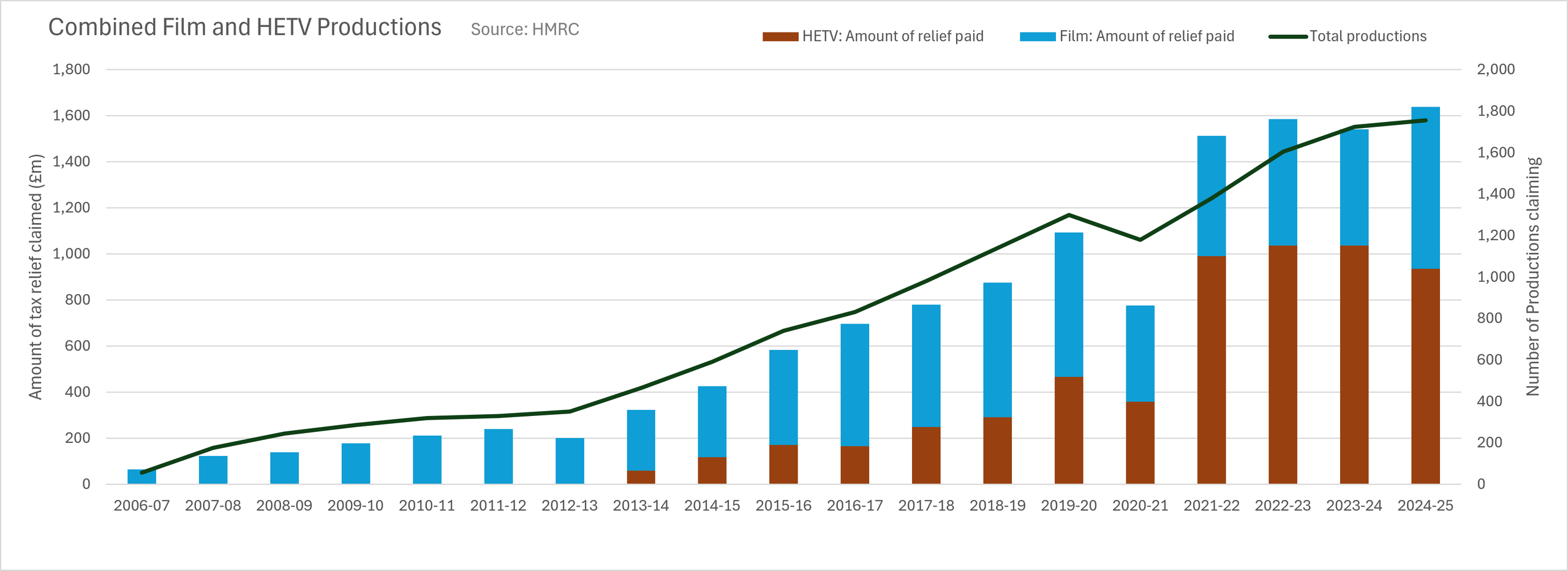
HMRC’s report provides information on tax reliefs and expenditure credit claims made for the Film, High-End Television (HETV), Animation, Children’s Television, Video Games, Theatre, Orchestra, and Museums and Galleries Exhibition Tax Reliefs.
The statistics reveal a notably different picture for film and high-end television. While the two sectors remain the largest recipients of creative industries tax relief (HETV represented 38% of the total amount paid out and Film Tax Relief – including AVEC and independent films – accounted for 29% of the total) the latest figures show strong growth in film alongside a fall in HETV relief.
The VFX uplift was implemented on April 1st 2025, so only applies to costs incurred in the last three months of the reporting year, and the requirement for a final certificate will push some claims back further still. This means that too few VFX claims have been presented so far to be reported in this release, but HMRC anticipates having enough data to report VFX relief figures in next year’s publication. UK Screen Alliance will be publishing and analysing our commissioned data on current VFX spend in the UK, growth, and GVA on 8th October 2026 at INsight ’26: The Post-Production and VFX Business Conference.
Film growth at an all-time high
Overall trend
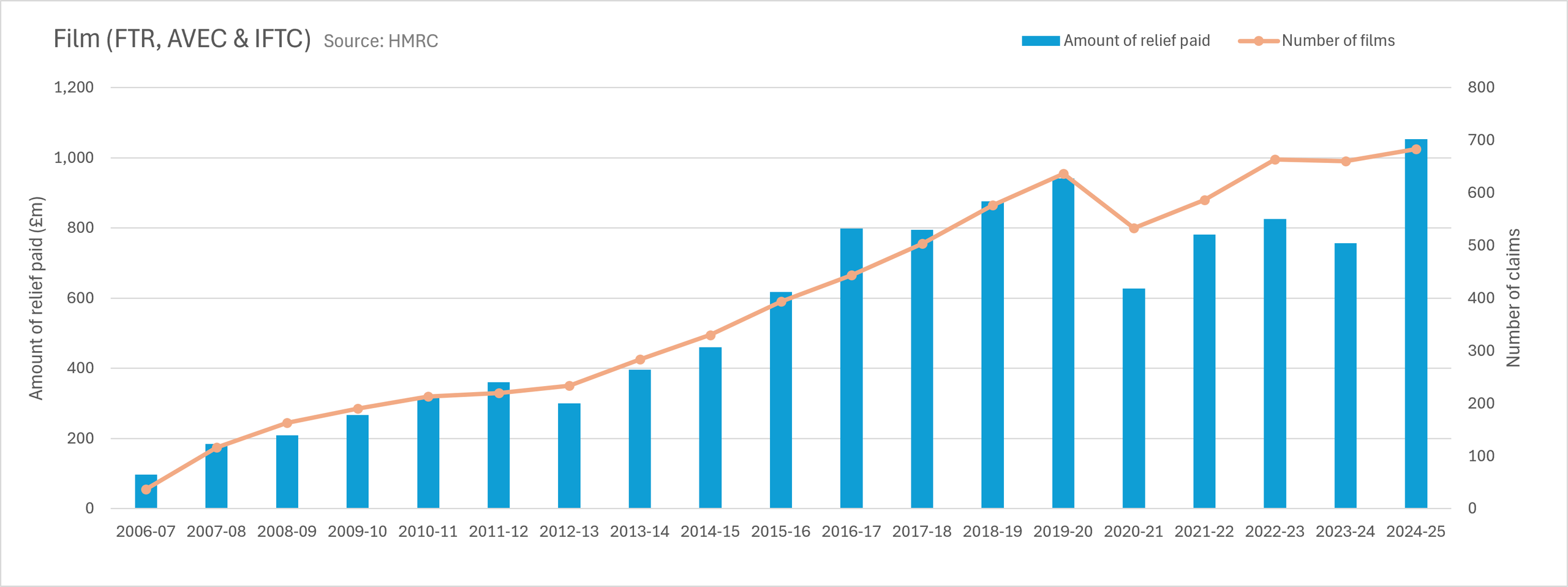
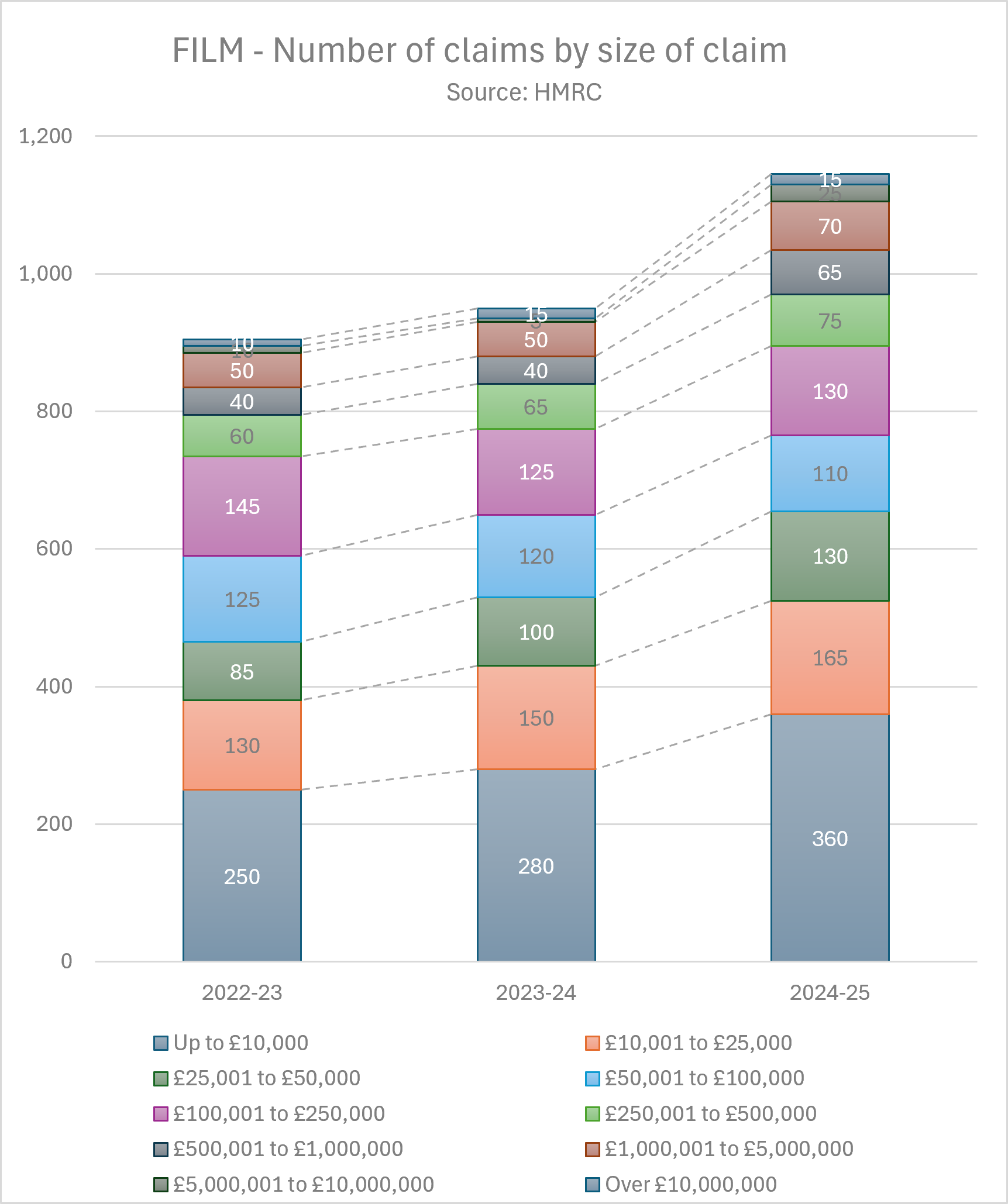
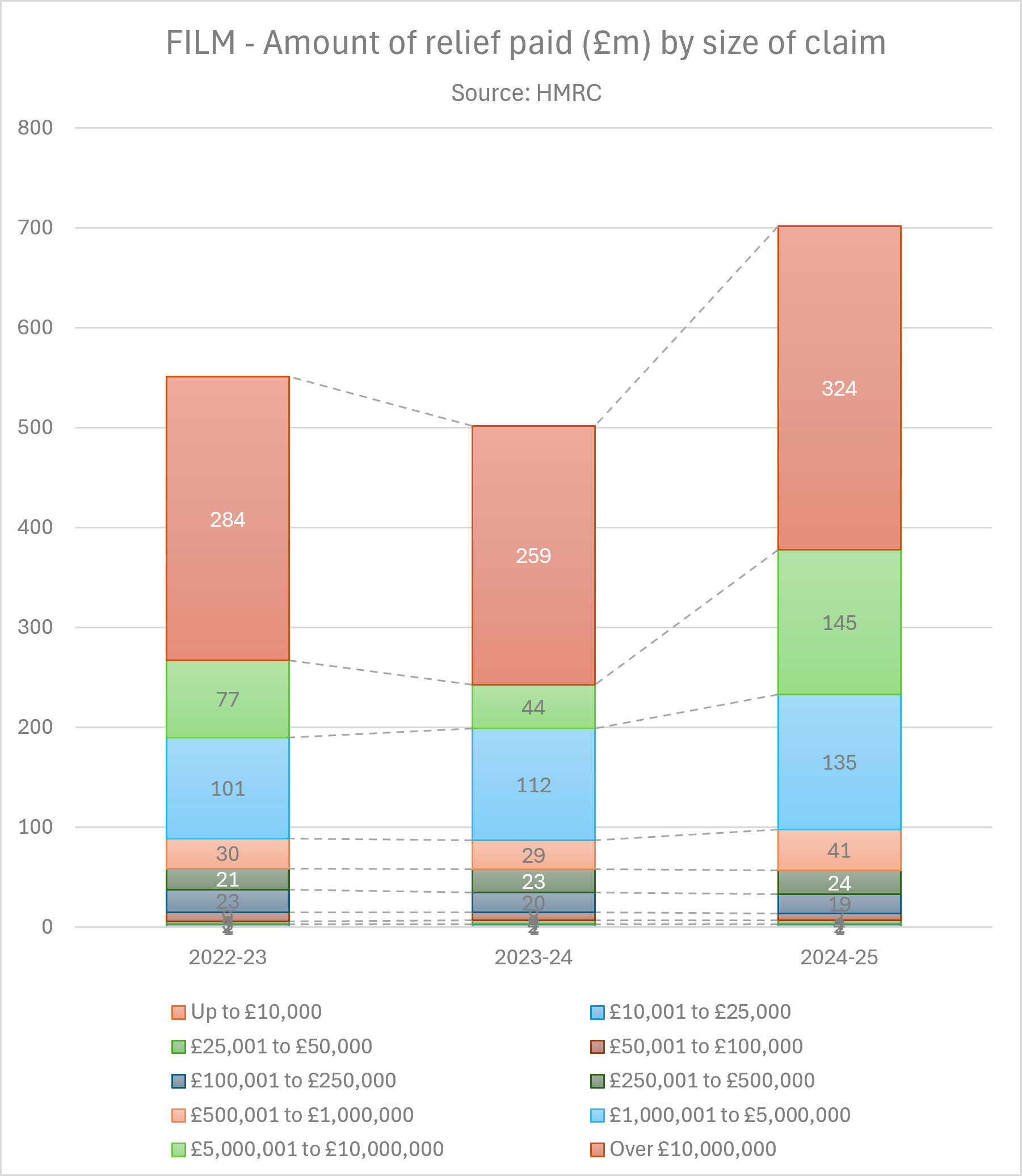
Film is the clearest area of growth in the latest figures, where the total claims for the year represent an all-time high There were 1,145 claims made for FTR, AVEC (Film) and AVEC (IFTC) in relation to the 2024 to 2025 financial year, totalling £702 million of relief paid out. This is a 39% increase in the amount of relief paid compared with the previous year, with the number of claims also up 21% year-on-year.
What’s driving it
- This increase is mainly driven by a greater amount paid out relating to high-value claims (over £5m). Only 3% of claims were over £5m, but they accounted for 67% of the total amount paid.
- Under the AVEC rules, some productions with both threatrical and TV releases that would previously have claimed as HETV, are now claiming as films.
- The new Independent Film Tax Credit is also adding to this: an estimated £57m of relief was paid in relation to 145 claims in its first year.
HETV relief falls back
Overall trend
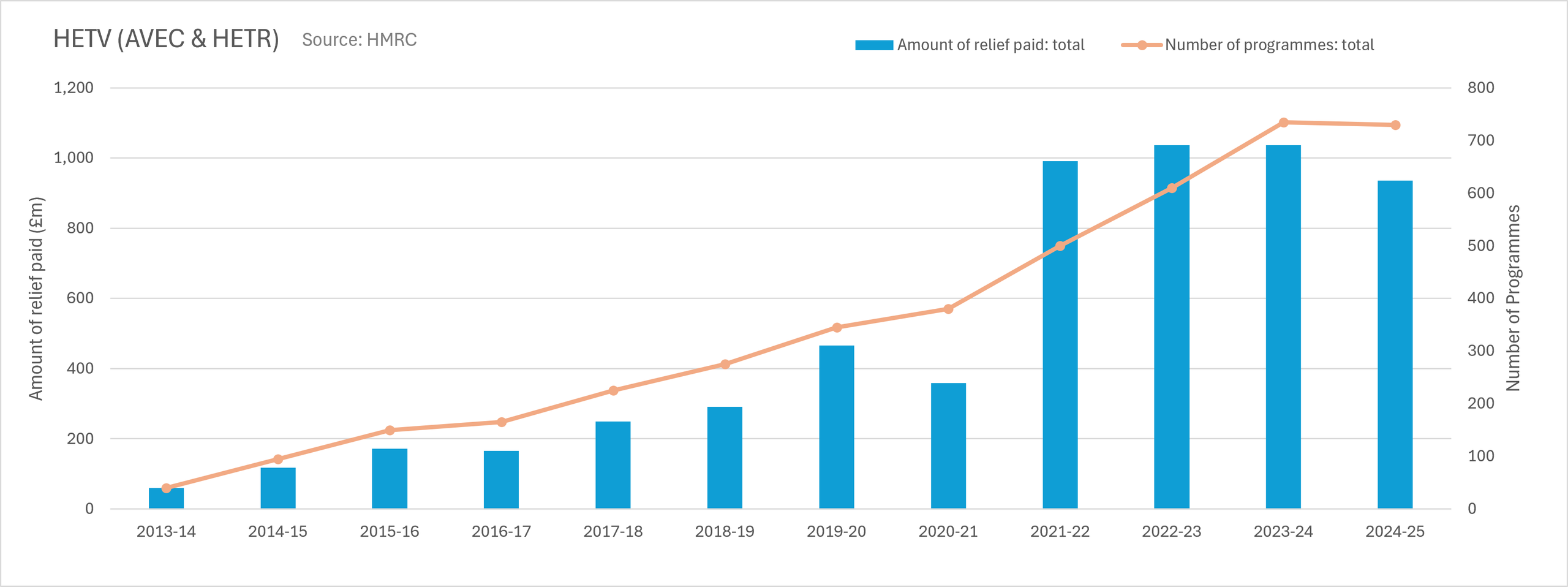
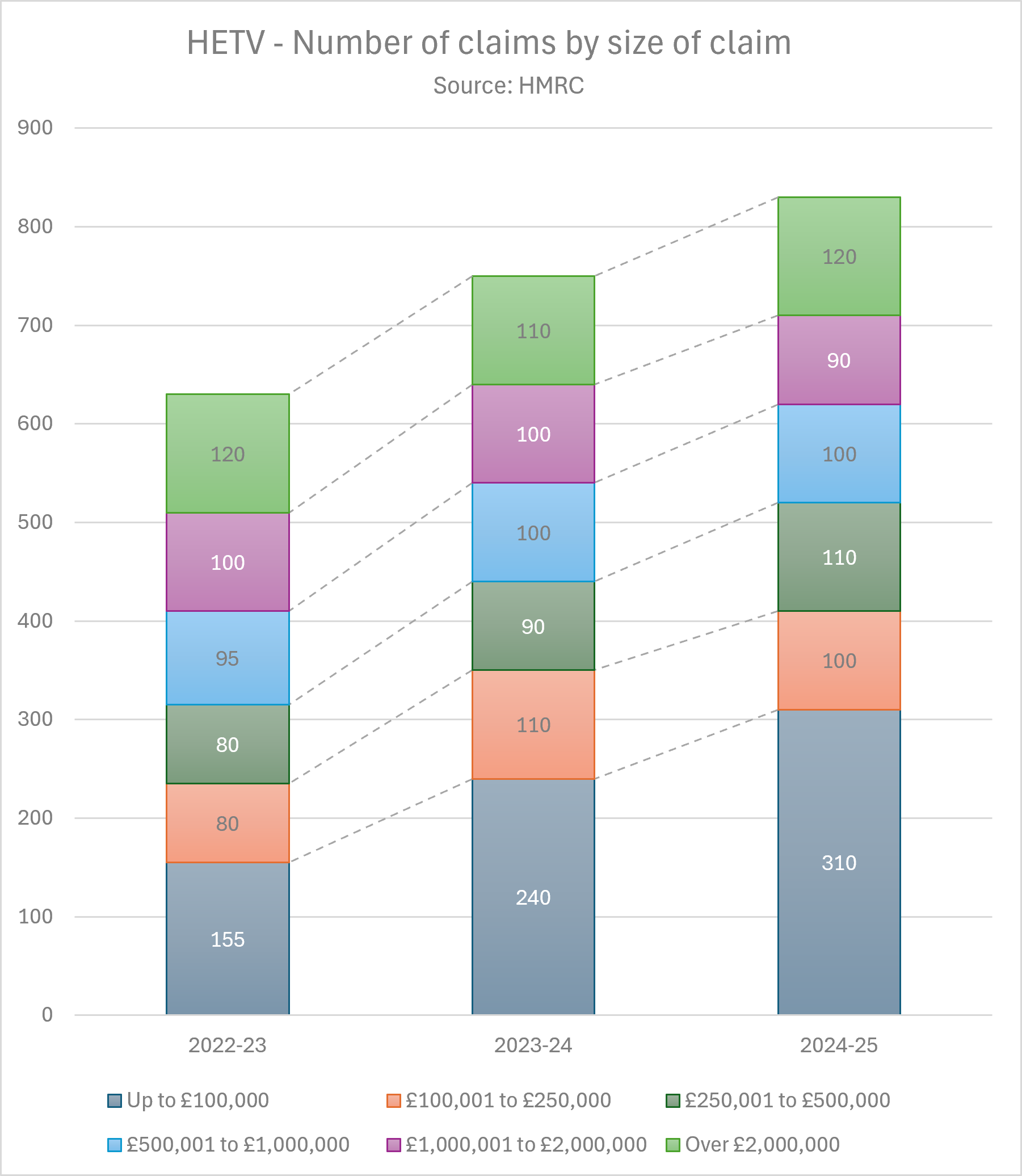
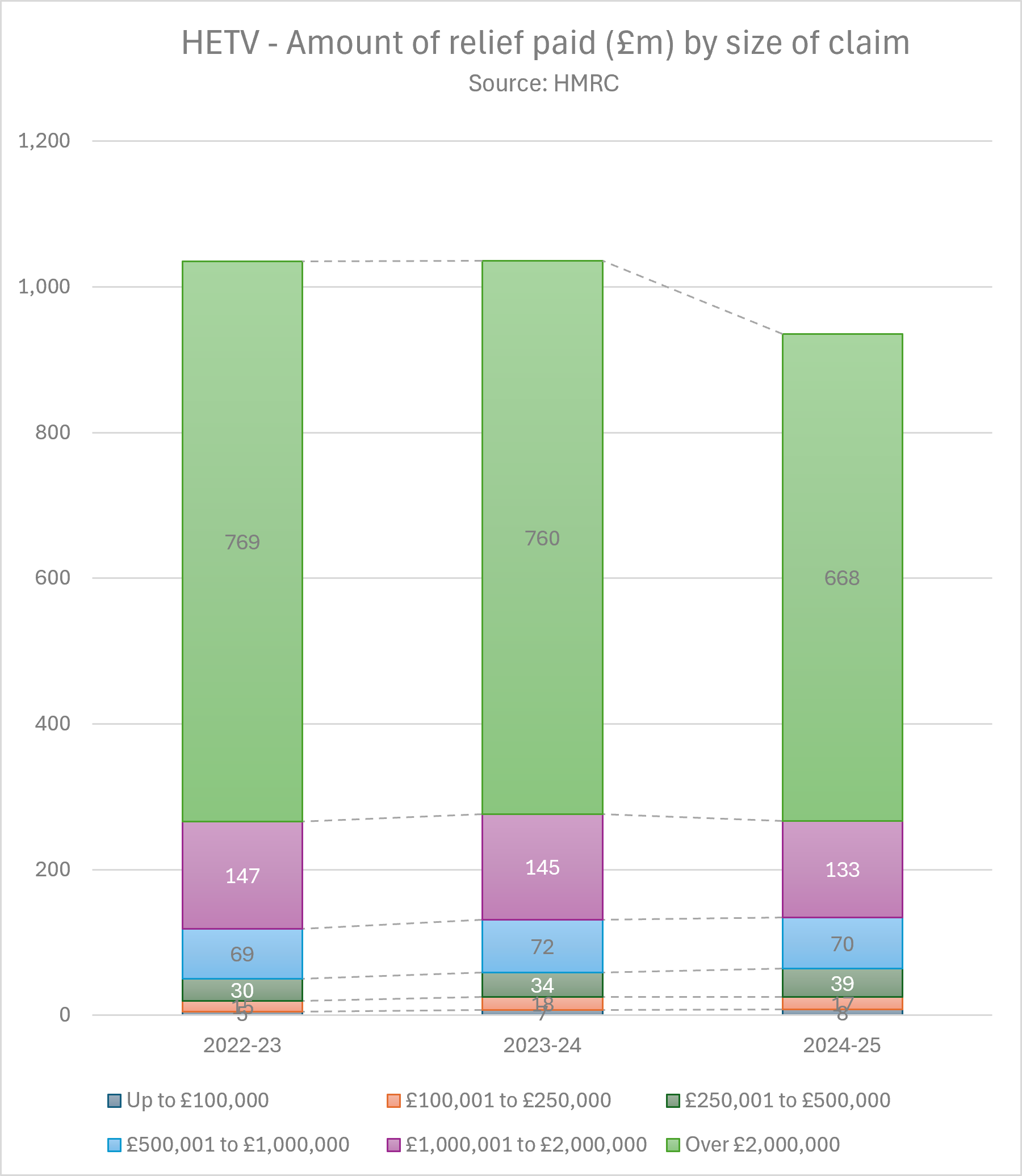
There were 830 claims made for HETV relief in relation to the 2024 to 2025 financial year, totalling £936 million of relief paid out – a 10% decrease from the previous year.
What’s driving it
- HMRC links this directly to the film trend above: some of this fall may be due to the transition to AVEC, as some feature length productions which previously claimed HETV relief will now claim as a film if they have a theatrical release. Essentially, this looks partly like a reclassification effect rather than a pure decline in production activity.
- On claim size, high-value claims (over £2 million) accounted for 71% of the total amount paid, slightly lower than the 73% figure for the previous year.
Looking Ahead
In general, HMRC’s figures point to a sector reshaping itself around the new AVEC regime. Film’s all-time high and HETV’s 10% fall are two sides of the same story: as productions migrate from the old tax reliefs to AVEC, some that would once have claimed as HETV are now being claimed as films, particularly where they have a theatrical release. The real test will come in next year’s release, when VFX-specific relief data is expected for the first time, and when a fuller year of AVEC and IFTC claims should make it clearer how much of this is redistribution between reliefs versus genuine underlying growth. In the meantime, film and TV production’s combined £1.6bn claims for 2024-25 suggests the sector’s tax relief base remains stable and resilient even as its shape continues to shift.
The Children’s Media Conference will take place during The London Book Fair in 2027
The London Book Fair (LBF) announces that The Children’s Media Conference (CMC) will be relocating from Sheffield to London next year, and will take place on 16 and 17 March, during LBF (16-18 March 2027)
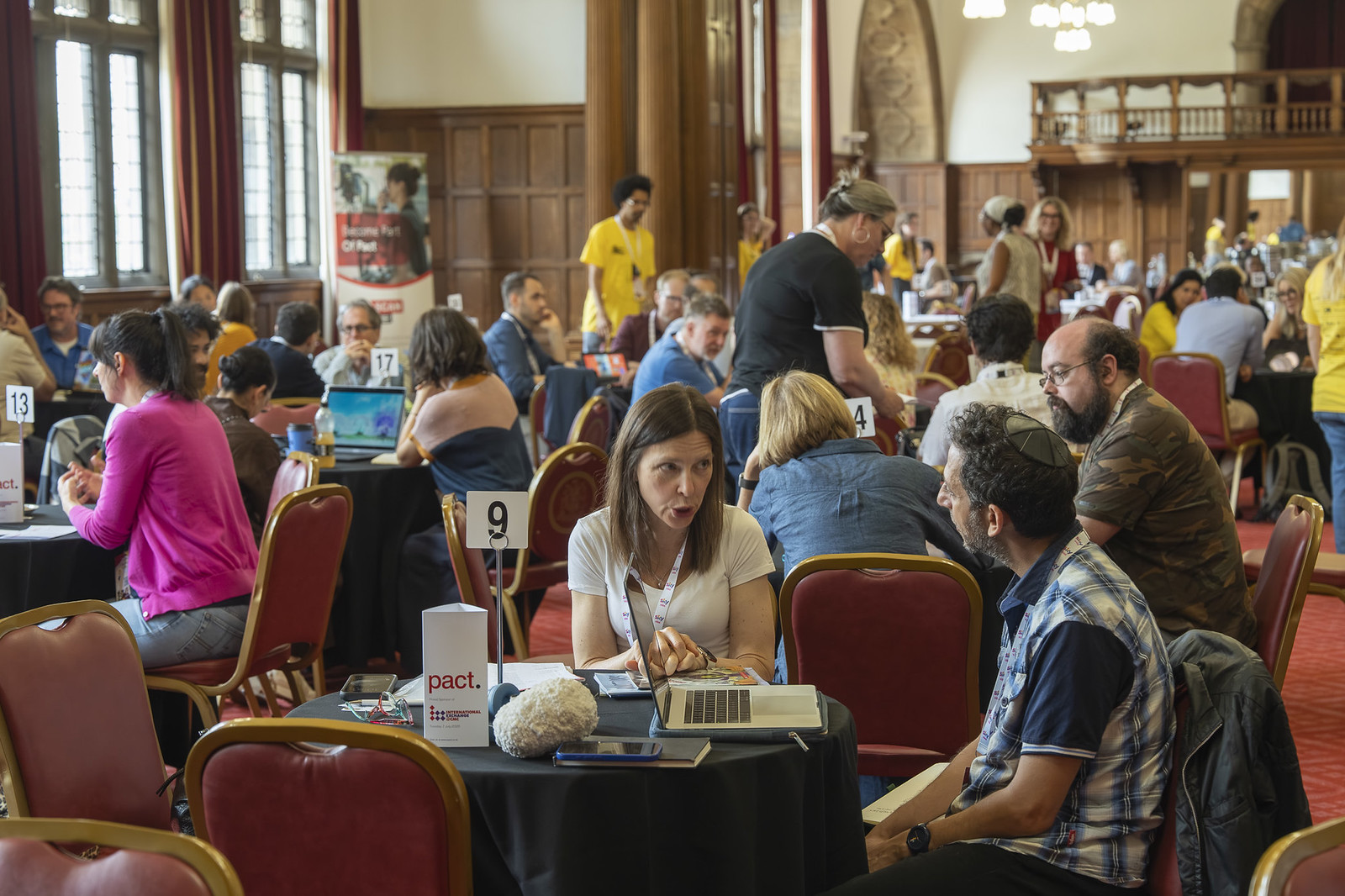
Responding to a rapidly changing market and expanding its international reach, CMC’s new position in the industry calendar and London location will create fresh opportunities for collaboration, networking and business development across complementary sectors.
CMC 2027 will continue to have an agenda packed full of keynotes and sessions which help delegates to enhance their business understanding at a time of significant change in the industry, and it will also offer expanded market and networking opportunities.
The children and youth content conference will join a rich line-up of conferences and seminars both before and during LBF. “Day Zero”, Monday 15 March, will see the return of FutureBook, The Writers’ Summit, HP ConTEXT, and training sessions organised by the IPG.
From Tuesday 16 March, Day One of LBF, visitors can expect ever more content on more stages, including the new Audio Hub and the Market Focus stage, dedicated to Japan, as well as the return of the popular Main Stage, Tech Stage, The Salon and Author HQ.
“We could not be happier to partner with The London Book Fair on next year’s CMC. The city and time of year may be different, but the spirit and heart of CMC remains the same. We’re planning a conference packed with insightful, timely sessions, while expanding our network through new international partnerships and closer collaboration with delegates from complementary sectors. We can’t wait to bring the CMC community together in London.”
Helen McAleer, CMC Editorial Director
“CMC has endured 23 years of industry upheavals and change but thanks to the support of so many people in the kids’ creative sector it’s always been able to react and respond appropriately. We’ll be taking that sense of collaboration and collective action to our new London location. We hope a touch of the Sheffield spirit which made this conference unique will follow us to the East End, to provide many more years of service to the kids’ media industry and new partners in publishing and licensing. CMC’s connections with Sheffield continue as we explore opportunities for new focused events in our home city and others in the UK.”
Greg Childs and Kathy Loizou, Founders of CMC
“I couldn’t be happier that The Children’s Media Conference have decided to begin their next chapter with us at our new home at Excel in March 2027. Working with Greg, Helen and Kathy has been a rare pleasure. They are founts of well-respected knowledge amongst their peers, and I’m looking forward to seeing what happens when we put the soul of CMC together with the stories from LBF.”
Emma Lowe, Director of The London Book Fair
The London Book Fair (LBF) is the world’s largest spring book trade and publishing event and will take place at Excel London from 16 – 18 March 2027.
Registration will open in November, and more information is available here.
UK Screen Alliance and AIMICI Partner to Support Responsible, Compliant AI use across VFX, Animation and Post
UK Screen Alliance and Animation UK announce AIMICI as their newest partner
UK Screen Alliance and Animation UK today announce a partnership with AIMICI, a UK-based responsible-AI organisation working with the screen industry. Under the partnership, Animation UK members can get priority access to AIMICI’s consultancy services, and discounts on their ScreenSkills-accredited Responsible AI training courses. The two organisations will work together over the next year to support responsible, well-documented AI use across production.
Generative AI tools are now part of everyday work in visual effects, animation and post, from previsualisation and clean-up to concept and finishing. As that use grows, so does the need to show it has been handled properly. Studios, commissioners and clients increasingly ask how AI has been used on a piece of work, and the new AI disclosure requirements included in the EU AI Act now apply to productions looking to distribute in the EU. Teams need a clear, consistent way to record and disclose their AI use, and to certify that the people doing the work understand it.
This is the practical problem AIMICI is helping to solve. AIMICI has supported productions, studios and VFX businesses on the compliance side of AI use over the last two years: how it is documented, how it is disclosed, and how oversight is maintained throughout a project. For companies without that expertise in-house, AIMICI’s Fractional AI Officer service provides it as an ongoing function, focused on the documentation, disclosure and governance that keeps AI use compliant and auditable over the life of a production. This enables teams to put additional oversight in place without hiring a new full-time role.
In addition to this consultancy offering, AIMICI is providing discounted access to its accredited training for UK Screen Alliance and Animation UK members. To build the community’s overall responsible AI competency, members receive 15% off AIMICI’s accredited training, giving teams and freelancers a shared language and understanding of the responsible AI process and supporting good governance across the sector.
Animation UK members can find the code through the Animation UK members resource hub.
“Our members are working at the front of AI adoption in film and television, and they are being asked, rightly, to show that they are using these tools responsibly. This partnership gives them an accredited, practical way to start to build that confidence across their teams, and support to keep their AI use compliant and properly disclosed. We are pleased to be working with AIMICI on it,”
Neil Hatton MBE, CEO of UK Screen Alliance
“For VFX, animation and post teams, the questions are no longer only about whether or not AI is being used, but whether that use can stand up to scrutiny. Our Responsible AI training and consultancy services help to ensure everyone is able to confidently innovate with AI, while also knowing the key steps to stay compliant and transparent with their clients and partners. Through UK Screen Alliance, we’ll be moving the animation and VFX sectors closer to meeting a single standard for responsible AI practices across the whole screen industry,”
Kathryn Webb, Managing Director at AIMICI
UK Screen Alliance and AIMICI Partner to Support Responsible, Compliant AI use across VFX, Animation and Post
UK Screen Alliance and Animation UK announce AIMICI as their newest partner
UK Screen Alliance today announces a partnership with AIMICI, a UK-based responsible-AI organisation working with the screen industry. Under the partnership, UK Screen Alliance and Animation UK members can get priority access to AIMICI’s consultancy services, and discounts on their ScreenSkills-accredited Responsible AI training courses. The two organisations will work together over the next year to support responsible, well-documented AI use across production.
Generative AI tools are now part of everyday work in visual effects, animation and post, from previsualisation and clean-up to concept and finishing. As that use grows, so does the need to show it has been handled properly. Studios, commissioners and clients increasingly ask how AI has been used on a piece of work, and the new AI disclosure requirements included in the EU AI Act now apply to productions looking to distribute in the EU. Teams need a clear, consistent way to record and disclose their AI use, and to certify that the people doing the work understand it.
This is the practical problem AIMICI is helping to solve. AIMICI has supported productions, studios and VFX businesses on the compliance side of AI use over the last two years: how it is documented, how it is disclosed, and how oversight is maintained throughout a project. For companies without that expertise in-house, AIMICI’s Fractional AI Officer service provides it as an ongoing function, focused on the documentation, disclosure and governance that keeps AI use compliant and auditable over the life of a production. This enables teams to put additional oversight in place without hiring a new full-time role.
In addition to this consultancy offering, AIMICI is providing discounted access to its accredited training for UK Screen Alliance and Animation UK members. To build the community’s overall responsible AI competency, members receive 15% off AIMICI’s accredited training, giving teams and freelancers a shared language and understanding of the responsible AI process and supporting good governance across the sector.
UK Screen Alliance members can find the code through the UK Screen Alliance members’ resource hub.
“Our members are working at the front of AI adoption in film and television, and they are being asked, rightly, to show that they are using these tools responsibly. This partnership gives them an accredited, practical way to start to build that confidence across their teams, and support to keep their AI use compliant and properly disclosed. We are pleased to be working with AIMICI on it,”
Neil Hatton MBE, CEO of UK Screen Alliance
“For VFX, animation and post teams, the questions are no longer only about whether or not AI is being used, but whether that use can stand up to scrutiny. Our Responsible AI training and consultancy services help to ensure everyone is able to confidently innovate with AI, while also knowing the key steps to stay compliant and transparent with their clients and partners. Through UK Screen Alliance, we’ll be moving the animation and VFX sectors closer to meeting a single standard for responsible AI practices across the whole screen industry,”
Kathryn Webb, Managing Director at AIMICI
New Creative Trade Forum to boost UK creative industries announced at Edinburgh International Festival
The Creative Trade Forum, a new partnership between government and industries to boost UK creative businesses, has been launched today in Edinburgh
The UK’s world-leading creative industries will benefit from a new partnership between government and industry leaders focused on helping them sell more ideas, talent and products overseas, government has announced today (26 August).
Minister for Reindustrialisation Blair McDougall has launched the new Creative Trade Forum – alongside Co-chairs Francesca Hegyi (Edinburgh International Festival) and Michael Frohlich (WPP) – during a visit to the Edinburgh Festivals, which generate around £800 million for Scotland’s economy and support thousands of jobs.
Reporting to the Creative Industries Council, the Forum brings together leaders from industry and trade bodies, including from YouTube, the British Film Institute, WPP, the British Council, BBC Studios and Goalhanger, to help creative businesses scale up and showcase the best of UK creative excellence overseas.
It will provide industry-led insight to government, identify barriers to growth, champion UK creative exports, attract investment and help build stronger international commercial partnerships.
The Forum will give creative businesses direct access to industry and government expertise to help them break into new markets and turn UK talent into commercial success.
“ I’m delighted to be a founding member of the Creative Trade Forum, launched last week to bring industry leaders together with Government and strategic partners to help unlock new export and investment opportunities for the UK’s creative industries.
As a member representing the animation sector, I’m particularly excited about what this can mean for Animation UK. British animation has a strong global reputation for its creativity, talent and storytelling, and there is a huge opportunity to build on that success by opening up new international markets, partnerships and investment.
The creative industries contributed over £145 billion to the UK economy in 2024 and support thousands of highly skilled jobs. Animation is an important part of that success, with UK studios, producers and talent reaching audiences around the world.
The launch marks an important milestone in delivering the Creative Industries Sector Plan, and I look forward to continuing the work as a founding and current member of the Forum.”
Kate O’Connor, Animation UK
The announcement comes as statistics* show the UK’s creative industries added over £145 billion to the economy in 2024, supporting thousands of skilled jobs.
*Statistical sources
- Edinburgh Festivals economic impact: Layout 1
- Creative industries economic contribution: DCMS Economic Estimates GVA 2024 (provisional) – GOV.UK
- Creative industries exports: DCMS Sectors Economic Estimates: Trade, 2022 and 2023 – GOV.UK
UK ANIMATION CELEBRATES GLOBAL CREATIVITY, COLLABORATION AND HONOURS AT ANNECY 2026
UK Pavilion returns to MIFA with international networking, expert advice, over 100 business meetings and a major celebration of UK animation talent
Hosted by Animation UK and supported by the BFI with National Lottery funding, the UK Pavilion will be based at MIFA Stand D.15 from 23–25 June 2026. The Pavilion, presented as part of the ScreenUK Industry umbrella, will provide a professional base for UK studios, producers, funders, agencies and international partners to meet, connect and explore new opportunities for collaboration.
This year’s UK presence places practical partnership-building at its centre. More than 100 business meetings have already been booked, with UK companies connecting with producers, broadcasters, distributors, funders, agencies and creative partners from across the international animation community.
Animation UK will also host a networking event for the UK and international animation sector, creating an informal opportunity to reconnect with established partners, meet new collaborators and celebrate the strength of UK animation at Annecy.
This year’s UK presence takes place at a particularly celebratory moment for British animation. Aardman, one of the UK’s most globally recognised and best-loved animation studios, is marking its 50th anniversary, while its founders, Sir Peter Lord and Sir David Sproxton, have been recognised with knighthoods in the King’s Birthday Honours. Sir Peter and Sir David will visit the UK Pavilion during MIFA alongside Oscar-winning director Nick Park, offering international delegates a chance to celebrate one of the UK’s most influential creative success stories.

Annecy 2026 also shines a spotlight on the breadth of UK and UK-partnered work across the Festival, from immersive storytelling and short films to commissioned work, feature projects and special events. The UK programme reflects the sector’s distinctive strengths: world-class storytelling, design excellence, technical innovation, internationally recognised IP and a long tradition of creative collaboration.
The UK Pavilion will support conversations around co-production, finance, tax relief, certification, export, skills, sustainability and international growth. Across the week, visitors will be able to meet UK companies and agencies, explore partnership opportunities, connect with representatives of nations and regions, and learn more about UK support routes, including AVEC, certification and the UK Global Screen Fund.
“Annecy is the world’s most important meeting point for animation, and the UK arrives this year with so much to celebrate. From emerging voices and bold new work to the extraordinary international legacy of Aardman, UK animation continues to create characters, stories and worlds that travel. The recognition of Sir Peter Lord and Sir David Sproxton in the King’s Birthday Honours is a landmark moment, not only for Aardman but for the whole UK animation sector. Their work has inspired generations of artists, producers and audiences, and their success shows the global impact of British creativity, craft and entrepreneurship. The UK Pavilion is here to make those connections practical. We want to help studios, producers, commissioners, funders and partners from around the world meet the UK sector, understand the opportunities, and build the collaborations that will shape the next generation of animated work.”
Kate O’Connor, Animation UK
Animation UK will also use Annecy to highlight the sector’s leadership and future. Ruth Fielding, joint managing director of leading animation studio Lupus Films, recently appointed Chair of the Industry Animation UK Council and joint Chair of the UK Screen Alliance, will be attending as part of the UK delegation, supporting Animation UK’s work to strengthen the business environment for UK animation and champion the sector’s creative and commercial potential.
The UK Pavilion is delivered in collaboration with partners from across the UK screen sector, including the BFI, British Film Commission, Creative Wales, Northern Ireland Screen, Film London and the Department for Business and Trade.

CHAIRS APPOINTED AT UK SCREEN ALLIANCE AND ANIMATION UK
UK Screen Alliance in partnership with Animation UK is pleased to announce the appointment of two industry chairs for their respective member councils
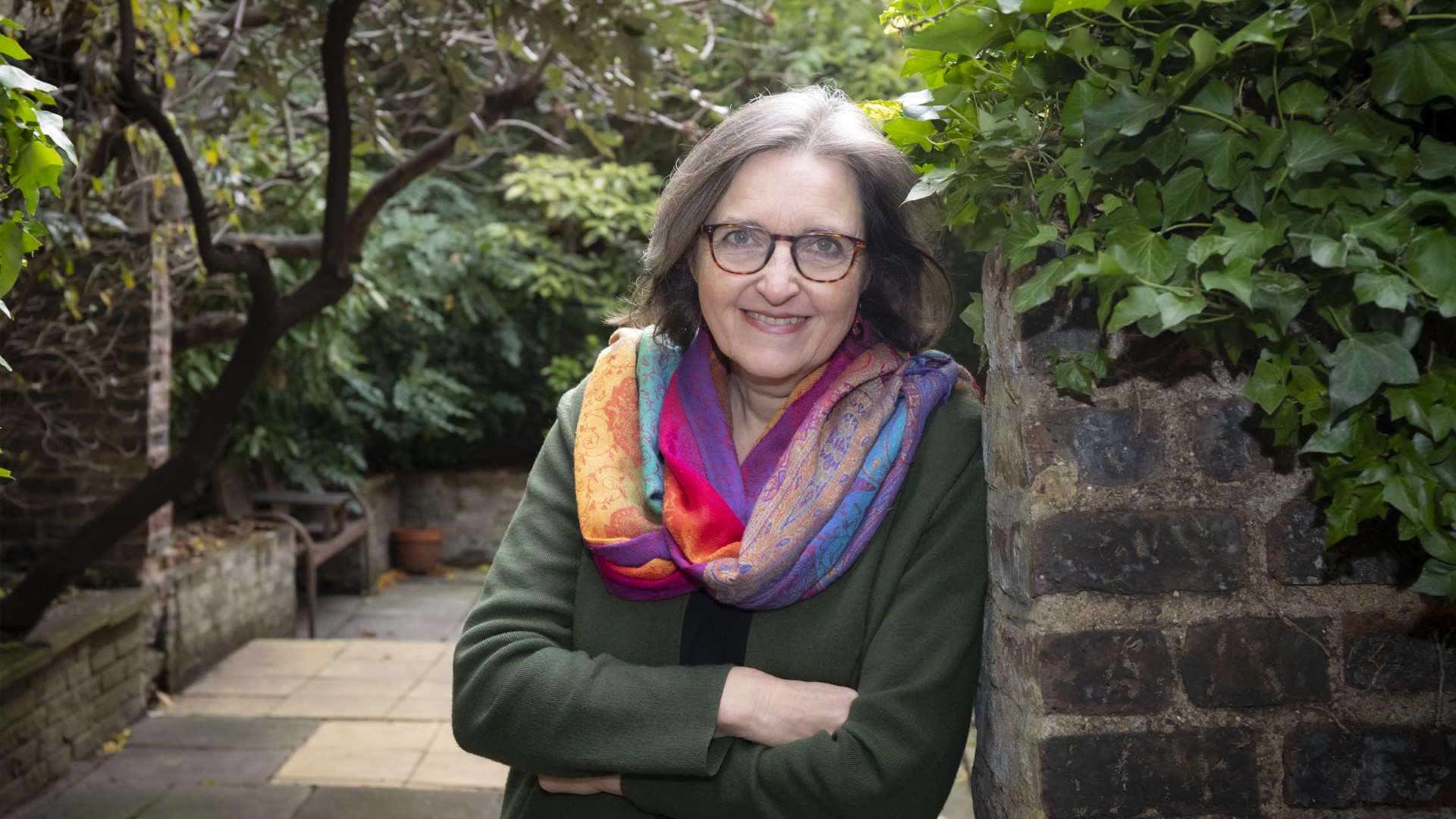
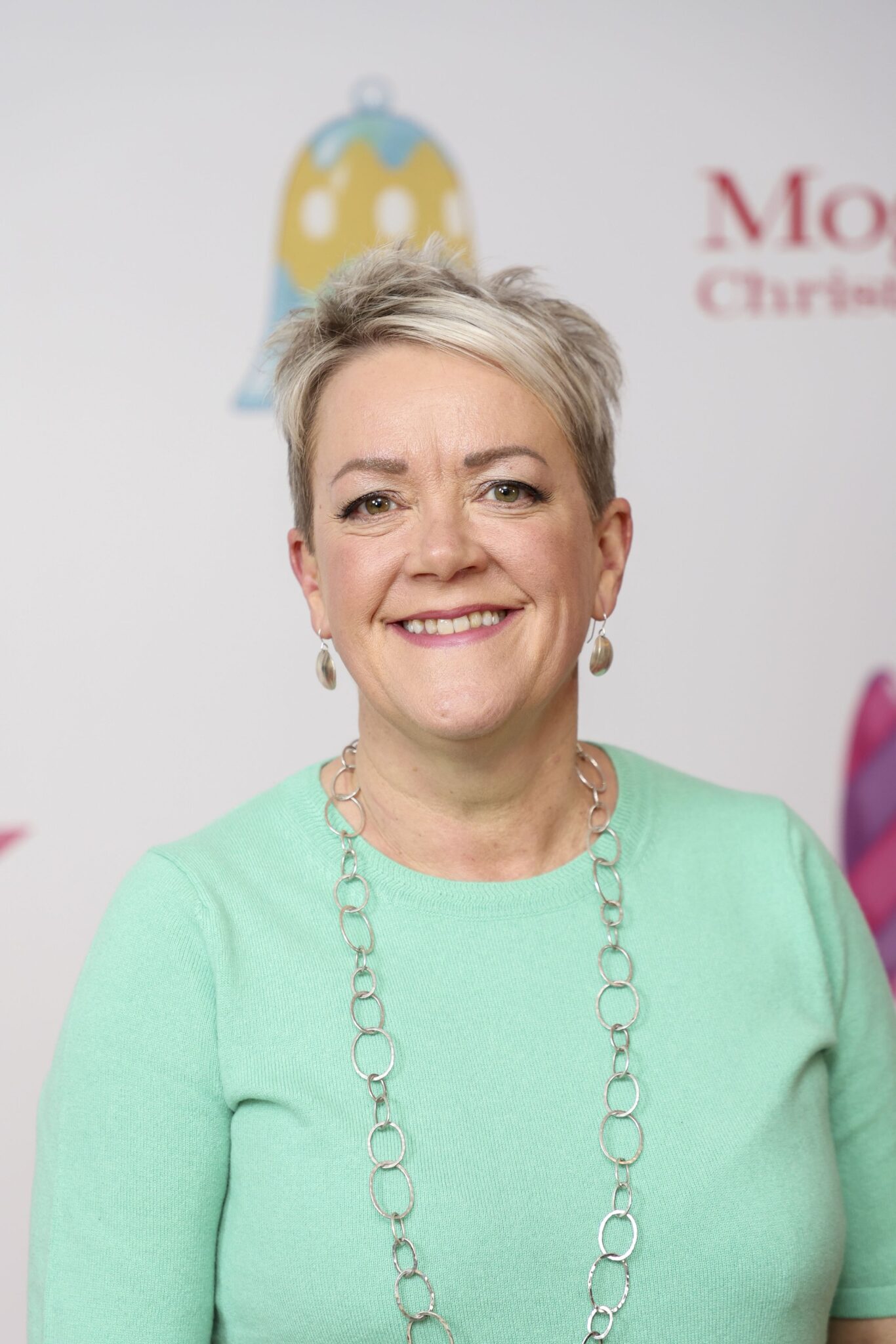
Ruth Fielding, joint founder of Lupus Films will become the chair of the Animation UK Council and Rowan Bray, MD of Clear Cut Pictures will take the chair at the UK Screen Facilities Council. These appointments ensure that the 200+ member companies of UK Screen Alliance and Animation UK continue to have a strong voice in the advocacy and policies pursued by the organisation, and that it is member-led for the benefit of all its members and the wider industry.
Ruth Fielding has 25 years’ experience in the animation industry and has produced feature films, TV series and TV Specials for all the major UK broadcasters and streaming platforms. Ruth was one of the animation producers who sat on the UK Government’s Treasury Working Group in 2013 to create the Animation Tax Credit and was a founding member of Animation UK. Films that Ruth has produced include much-loved family classics like, Ethel & Ernest, Kensuke’s Kingdom, The Snowman and The Snowdog, and We’re Going on a Bear Hunt. Ruth is a muti children’s and film BAFTA nominee and won an International Emmy Kids Award for The Tiger Who Came to Tea.
“I am delighted to be ‘giving back’ as it were, to the industry which has helped shaped my career. It gives me great pleasure to be at the forefront of the next chapter of Animation UK as we strive forward in our lobbying and advocacy to create an even stronger industry for the future.”
Ruth Fielding, joint founder and MD of Lupus Films
Rowan Bray has built her whole career around post-production, starting in bookings and working up to running some of the biggest post houses in the UK. She now leads the Clear Cut Group, comprising several award-winning post houses that specialise in all forms of non-scripted television and feature documentaries. As well as her day job, Rowan is heavily involved in training initiatives for the wider sector, including apprenticeships, and developing projects to help reduce the sustainability impacts of post-production for the whole sector.
“The work of UK Screen has never been more important than now With so much upheaval in the sector amid wider economic challenges, the association can provide targeted support to its members while celebrating their work, showcasing global pre-eminence in the skills and services on offer. I am looking forward to supporting their extensive and ambitious programme of policy, lobbying and promotion for the Post-Production, VFX and Animation sectors.”
Rowan Bray, MD of Clear Cut Group
Kate O’Connor will continue to support Animation UK as Strategic Lead, working alongside the Animation UK Council and its new Chair to help shape and deliver the organisation’s policy, advocacy and industry engagement priorities.
“Ruth is a hugely respected figure across UK animation, and her experience and insight will be invaluable as Chair of the Animation UK Council. A strong industry chair is vital to ensuring Animation UK remains member-led and focused on the needs of the sector, and I look forward to working closely with her.”
Kate O’Connor, Strategic Lead-Animation UK
“These two new chair appointments of highly respected figures in their fields, strengthens our governance and purpose. The chairs will ensure that we remain a highly focussed organisation, delivering advocacy, knowledge, and exclusive benefits for all our member companies. I cannot think of two better people than Ruth and Rowan to guide us in that quest.”
Neil Hatton MBE, CEO of UK Screen Alliance
CEO of UK Screen Alliance Makes the Case for Employer Engagement to Protect the Screen Industry’s Talent Pipeline
“The decisions we make now will shape the industry for years to come”: Neil Hatton’s call to action for employer engagement in Film, TV, and VFX further education
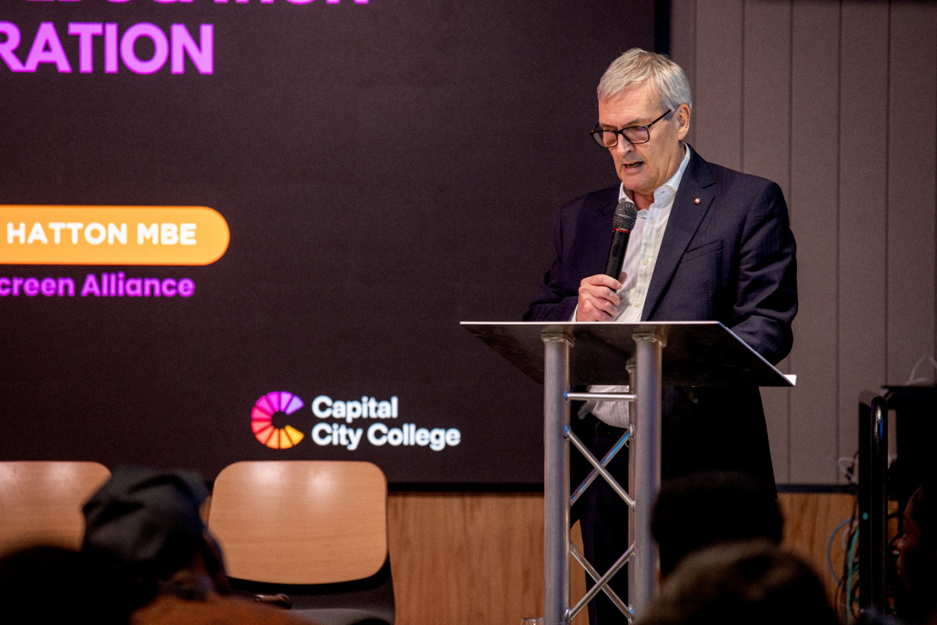
Capital City College (CCC) has launched a Creative and Digital Specialist Hub and Skills Advisory Board at its Mosaic@Soho campus, bringing together employers, educators and students to shape the future of digital and creative skills across London. This board launch is especially timely, following from the recent UK Government announcement this week of five new Technical Excellence Colleges (TEC)s, including CCC as a TEC for digital and technology.
At a busy launch event held this week, this new advisory board saw strong engagement from industry partners, including employers from global organisations, innovative start-ups and SMEs.
The event opened with a keynote from UK Screen Alliance CEO, Neil Hatton MBE, making the case for stronger engagement from employers in the film, TV, and VFX industry with the further education sector. With industry-aligned qualifications under threat from government reform and a generation of new talent at risk of being lost, he warned that inaction now could mean critical skills shortages when the sector’s recovery gathers pace.
Read Neil’s speech below:
Strengthening Employer Engagement in Further Education for Film, TV and VFX
Good afternoon everyone,
It’s a pleasure to be here with you today—educators, employers, and learners—people who collectively shape the future skills base of the UK’s film, television, animation, and VFX sectors.
Today, I want to focus on employer engagement with education—not as a “nice to have,” but as a strategic necessity.
Our creative industries are one of the UK’s great success stories: contributing an estimated £145.8 billion to the economy. That’s 5.5% of the UK’s GVA. They are a global export powerhouse, a magnet for inward investment, and a defining cultural asset. They are rightly recognised as a priority sector within the government’s Industrial Strategy.
And yet, this is also an ecosystem under extreme pressure, particularly in film and television, with rapidly evolving business models, adjusting to new geopolitical and investment realities, and disruptive technological change.
But just as TV and Film has its challenges, so too does education. Further Education has long operated under financial constraints, now compounded by a constantly shifting policy environment such as T Levels, V Levels, and the transition to a Growth and Skills Levy.
We may not agree with all these reforms. The creative industries—with their project-based nature—don’t always fit neatly into standardised systems. In some cases, government proposals risk undoing progress already made.
But this is precisely why employer engagement matters more, not less. As change accelerates, we must be actively involved—pragmatic, collaborative, and focused on shaping workable solutions. Its what we do day-to day-anyway!
Let’s look at the industry context and while recent history seems bleak, there is some sunlight.
Film and television have had a difficult three years. Since the pandemic, we’ve gone from the boom of peak TV and Covid catch-up, to the disruption of the writers’ and actors’ strikes. Beneath those strikes was a deeper recalibration: a shift from subscriber growth to profitability in streaming services, leading to reduced commissioning of original content. The anticipated post-strike recovery didn’t fully materialise.
Domestically, the BBC’s budget has fallen 30% in real terms, while for commercial broadcasters the cost-of-living crisis has weakened advertising revenues. The result has been less investment in content.
The film and TV world as we knew it before the pandemic, is not the reality now and we are still adjusting to a new normal.
Across the supply chain, we’ve seen redundancies, hiring freezes, and fewer entry-level roles. For many trying to enter the industry, opportunities simply haven’t been there.
And yet, this is not a story of decline across the board.
There are clear signs of renewal in some parts.
In VFX, recent tax credit uplifts are reinforcing the UK’s position as a global destination for inward investment. Data from the World VFX Atlas shows the London VFX and animation workforce grew by 10% over the past year. That is significant. 1000 people in new jobs.
Yes—budgets are down. Contracts are shorter and harder won. But the direction of travel for VFX is positive. There are tantalising signs of at least another 5% growth over the next 12 months. The global pie for VFX may have become smaller—but as a result of the tax credit changes that we campaigned for and won last year. the UK is poised to take a larger slice.
However, we must be realistic. The first phase of recovery focuses on experienced professionals—bringing back those who were laid off. Entry-level hiring may take little longer to return.
This creates a dilemma.
Because education does not operate on a one-year cycle. You can’t just turn it on or off based on current demand. It operates on a pipeline of three, five, even ten years.
If we allow that pipeline to weaken now, we may face labour shortages just as the industry hits its next growth phase.
Let’s zoom out further and consider the full talent lifecycle.
The digital VFX industry is still relatively young. It really began to take shape in the late 1980s and early 1990s. From 2001 to 2011, it gained significant momentum in the UK, mostly thanks to a young wizard called Potter.
Many of its early pioneers—those with 30-plus years of experience—will begin to step back in the coming years. This is not an immediate retirement crisis, but it raises important questions: will we have the right mix of skills and experience at the right time?
That depends on a functioning talent development pipeline—where mid-level professionals are supported to progress, and new entrants are ready to step in behind them.
It will just mention AI. It will have an impact, but not as existential as the doom-mongers have been predicting. It’s another useful tool in the box and creates opportunity if embraced thoughtfully. The jobs are still there but with upgraded skills.
I will just mention AI. It will have an impact, but not as existential as the doom-mongers have been predicting. It’s another useful tool in the box and creates opportunity if embraced thoughtfully. The jobs are still there but with upgraded skills.
At the same time, film and TV are no longer the only destinations for students who study it.
3D and real-time technologies are expanding from gaming and virtual production, into architecture, product design, immersive experiences, and beyond. 3D visualisation is increasingly embedded in sectors like automotive, healthcare, criminology, and life sciences.
We are also seeing the growth of the creator economy, where people are ignoring conventional career pathways. They are getting on with just doing their own thing, choosing to build their own opportunities rather than following traditional career pathways.
Now let’s turn to the education landscape itself, and to set the scene, I want to rewind fifteen years to 2011.
This report called Next Gen was published by NESTA. It was written by Ian Livingstone, founder of Eidos, and Alex Hope, founder of DNEG. Its subtitle was “Transforming the UK into the world’s leading talent hub for the video games and visual effects industries.”
In 2011, VFX and Games were enjoying a period of growth but they were already suffering skills shortages that were only alleviated by sourcing excellent skilled talent from overseas, an avenue that just a few years later would be choked off by Brexit.
The report was critical of the subjects then available in the curriculum, and advocated for the blend of skills required by these frontier sectors to thrive, namely STEM coupled with Art and strong emphasis on coding.
The report inspired a group of forward thinking games and VFX employers to collaborate with AIM Awards to create a Level 3 extended diploma in Games, Animation and Visual Effects Skills, as still taught with great success here today at Mosaic.
Additionally these employers developed a strong and innovative package of industry engagement for the colleges teaching the qualification, and formed the NextGen Skills Academy network of affiliated colleges.
Mosaic is one of 13 colleges teaching the Next Gen qualification. Across the UK there’s around 600 students currently enrolled. And the outcomes are good with 78% of alumni passing into higher education on relevant degree courses, 12% starting work directly and 8% getting apprenticeship placements.
So far so good, but here’s the rub.
Government policy is moving towards a simplified Level 3 landscape centred on T Levels, V Levels, and A Levels. Specialist qualifications like NextGen—and others such as UAL diplomas—are at risk of defunding.
These qualifications underpin the teaching in specialist institutions like Mosaic, but also at London Screen Academy, ELAM and The Brit School and provide flexible, industry-aligned pathways. To lose these qualifications would significantly impact how we prepare students for careers in the creative industries.
It looks as if the UAL qual will be defunded by the academic year 27-28.
The Aim/NextGen qual could survive until 2029-30, but it’s living on borrowed time.
We are expecting DfE and Skills England to issue an implementation plan that confirms these timelines in June or July this year.
This is understandably frustrating. Industry has already invested heavily in building effective pathways. What exists is not broken—and does not need fixing in this way.
But we are rapidly approaching the end of the runway and may soon need to consider alternatives. Doing nothing is not an option. Nor is accepting new qualifications designed without meaningful industry input.
Employer engagement, therefore, becomes essential.
If industry does not actively shape these new pathways, we risk ending up with systems that fail to meet real-world needs.
So what are the options?
T Levels offer depth and include a mandatory work placement—but raise challenges around scalability, geographical access, and employer capacity.
V Levels provide broader reach without mandatory placements—but with significantly reduced teaching time.
We may need to support both, depending on context and future announcements on placement flexibility.
So how do we move forward?
First; stronger collaboration.
Advisory boards are important to create deeper partnerships—co-designing courses, sharing insight, and creating fast, effective feedback loops.
Curricula must reflect real industry needs. That doesn’t mean chasing every new tool, but it does mean focusing on core, transferable skills: problem-solving, storytelling, shot composition, communication, collaboration, and adaptability. The Core Skills of VFX Handbook that we co-funded last year is example of effective collaboration between academia and industry.
Second; placements and apprenticeships.
There is no substitute for real-world experience. But we need more flexible models—shorter placements, project-based work, virtual opportunities.
We need to bring employers to students as well as students to employers.
Apprenticeships remain valuable, but must work for employers—supported by appropriate incentives and flexible delivery models.
I will continue to press government to build these necessary flexibilities into T Levels and apprenticeships. But we will need employers of all sizes to open their doors to more students.
Third; tutor development.
Educators need access to industry to teach effectively. If we invest in teachers, we invest in every student they go on to teach.
We should expand opportunities for industry exchange—teachers gaining industry experience, and professionals contributing directly to education.
I’m proposing a pilot scheme with the GLA to encourage bidirectional industry exchange initiatives—where tutors go on placements in studios—and industry professionals spend time teaching in colleges.
There’s real progress on the horizon here.
And finally; inclusion.
We must widen access—not only because it is right, but because diversity goes hand-in-hand with creativity and innovation.
This means reaching new communities, creating alternative entry points, and ensuring pathways are visible, accessible, and viable.
So, to conclude:
The industry is beginning to recover. Growth is on the horizon. But the talent pipeline that underpins that growth needs attention now.
My call to action is simple.
To employers: see education as part of your workforce strategy. Offer placements, contribute to curriculum development, and invest time in shaping the future talent pool.
To educators: continue to adapt and innovate. Build partnerships, focus on core skills, and prepare students for long-term careers, not just first jobs.
And to all of us: work together.
If we act in isolation, we create fragmentation and inefficiency. In a time of constrained resources, collaboration is essential.
None of this is easy. But difficulty is not an excuse for inaction. The decisions we make now—about engagement, collaboration, and investment—will shape the industry for years to come.
The Next Gen report remains as relevant today as it was 15 years ago. I’m going to borrow Alex Hope’s final words in his conclusion to the report, as they seem to perfectly sum up this call to action. He said then, “We cannot sit back and allow others to do it for us. We must step up and contribute.”
I echo his words and sentiment. I’m up for it. Are you?
Thank you for listening.
BAFTA TELEVISION CRAFT AWARDS 2026 NOMINATIONS ANNOUNCED
The nominees have been announced for the 2026 BAFTA TV Craft Awards, highlighting the work of UK Screen Alliance members

Yesterday, BAFTA announced the nominations for the 2026 BAFTA Television Craft Awards with Samsung OLED, hosted by Maisie Adam, celebrating the very best in television over the past year.
View the full list of nominations for the BAFTA TV Craft Awards with Samsung OLED HERE. Below, find the nominees for Special, Visual, and Graphic Effects.
BAFTA TV Craft Special, Visual, and Graphic Effects Nominees
Andor
- Industrial Light & Magic
- Luke Murphy
- Mohen Leo
- Neal Scanlan
- Jean-Clément Soret
Prehistoric Planet: Ice Age
- Framestore
- Russel Dodgson
- Andy Jones
- Simon Bland
- François Dumoulin
- Gavin McKenzie
USSR Callister: Into Infinity (Black Mirror)
- Union VFX
- Stargate Studios Malta
- Magic Lab Studios
- James MacLachlan
- Josie Henwood
- Sam Chynoweth
The Witcher
- Sara Bennett, Milk Visual Effects
- Richard Reed
- Scanline VFX
- David Stephens
- Jet Omoshebi
- Caimin Bourne
A special mention to the team at Cinesite for their work on The Witcher, as well as the team at Milk VFX, and One of Us.
The BAFTA Television Craft Awards with Samsung OLED will take place on Sunday 26 April.
Greater Manchester Animation Sector Report
Landmark North West Animation Survey highlights urgent need to treat animation as a priority sector
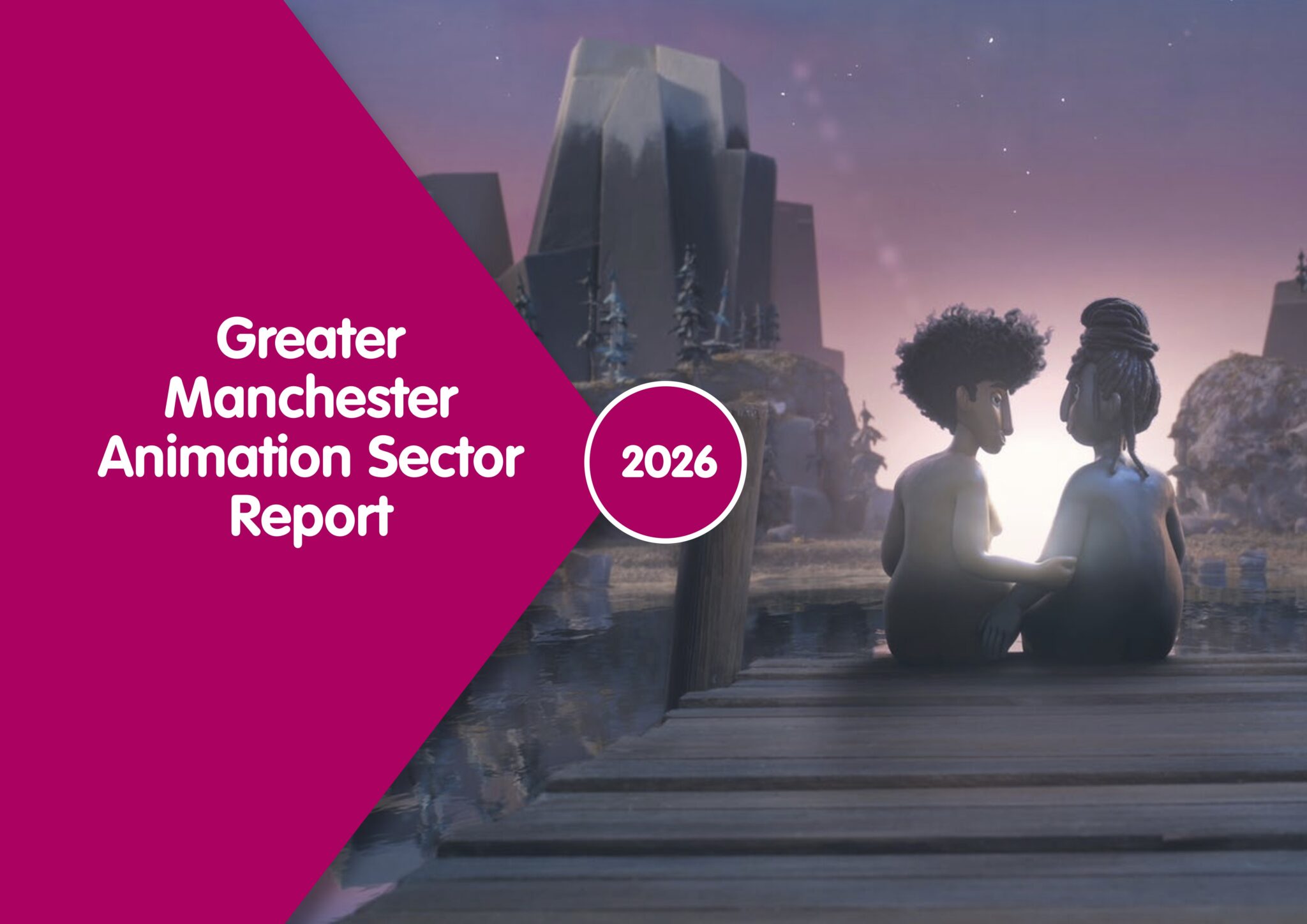
On Monday 9th March, the results of a major sector survey mapping the scale, growth and challenges of Greater Manchester’s animation, VFX, motion graphics, games cinematic and immersive media industries were published. The research was led by Manchester Animation Festival in collaboration with BBC Children’s & Education, MediaCity and the MediaCity Immersive Technologies Innovation Hub, following the launch of a landmark data‑gathering initiative in October 2025 designed to build the most comprehensive portrait to date of the region’s animation ecosystem.
The report makes compelling case for animation to be recognised as a strategic industry in its own right, rather than continuing to sit in the shadow of broader film and television policy. It presents Greater Manchester as one of the UK’s most significant animation hubs, with decades of accumulated skills, global relationships and cultural impact, but also warns that the sector is now under growing strain.
“With this regional report, Greater Manchester Combined Authority now have both the data and the unique opportunity to make real changes that benefit it’s internationally renowned collective of creatives working in the animation sector and to set to the blueprint for prosperity that the rest of the animation hubs across the UK can follow.”
Dr Steve Henderson, Festival Director at MAF and GMAS Survey Author
The findings show a region with a substantial and internationally significant animation ecosystem. Greater Manchester’s strengths extend well beyond one part of the screen sector, encompassing animation, VFX, motion graphics, XR and games-related work, supported by a recognised creative community and important industry platforms such as Manchester Animation Festival and Motion North. The report also highlights the importance of these events in supporting networking, confidence, recruitment and industry visibility.
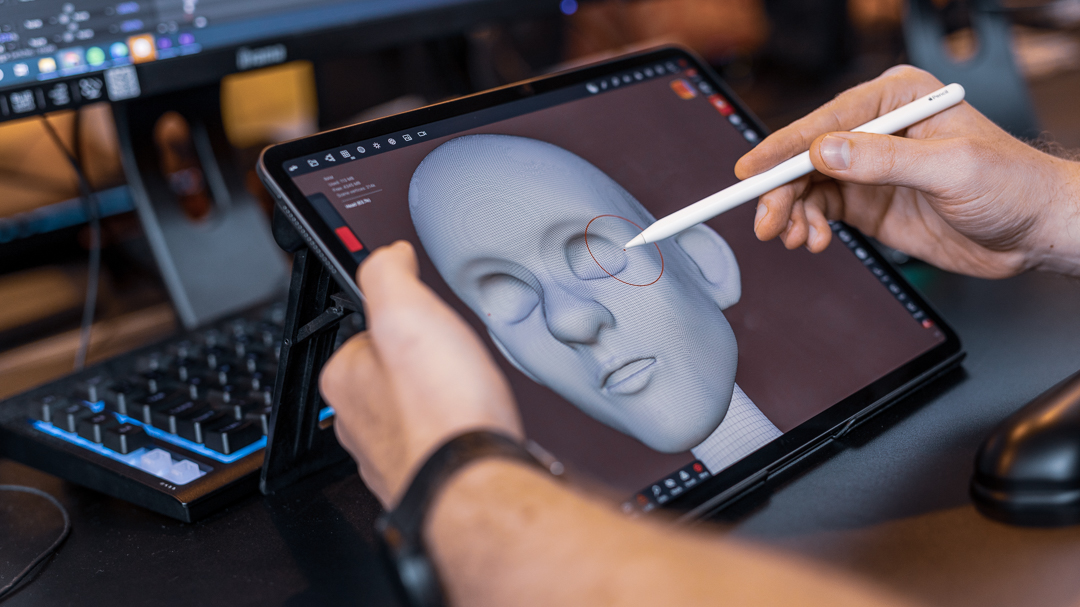

Yet the report is equally clear that this is a sector facing real fragility. It warns that without targeted intervention, Greater Manchester’s animation industry could contract rapidly through the loss of freelance talent, erosion of skills and declining confidence in the viability of animation careers. That warning is backed by stark survey findings: 42% of freelancers said they feel less secure about their role in the industry, while 28% said they are actively seeking opportunities outside animation. Once lost, the report notes, the workforce and expertise will be extremely difficult and costly to rebuild.
The report also argues that animation is too often overlooked in policy despite offering something strategically different from much of the wider screen economy. While inward investment in film and high-end television brings jobs and short-term activity, the report notes that much of the long-term value and IP ownership can sit elsewhere. Animation, by contrast, is described as inherently IP-driven, capable of generating enduring brands, long-tail revenue and stronger local creative identity.
That distinction matters not only for Greater Manchester, but for the UK as a whole. The regional case set out here reflects a wider national problem: animation is often nominally included within the broader TV and film sector, but in practice receives far less tailored recognition and support. This is even though animation is a high-skill, high-value, innovation-led and export-facing industry, with business models and workforce structures that differ materially from live action.
The recommendations in the report are therefore significant. They call for animation to be explicitly recognised as a priority creative industry within local and regional strategies, and for any screen office, screen fund or related support mechanism to actively include animation rather than defaulting to live-action film and television. The report also recommends support for early-stage animation IP, retaining ownership within the region, tackling freelancer insecurity, and strengthening flagship events that support the wider ecosystem.
For Animation UK, this should be seen as both a regional wake-up call and a national policy signal. Greater Manchester is not an emerging cluster asking for special treatment; it is an established animation centre warning that a valuable and distinctive industry is being placed at risk by under-recognition and under-support. If this is happening in one of the UK’s leading animation regions, it should concern policymakers everywhere.
“Greater Manchester’s report shows clearly that animation is a high-value, high-skill, IP-generating sector that is too often overlooked in policy despite its cultural and economic importance. The regional picture it describes reflects a wider UK reality. If government is serious about backing the future of the screen industries, animation must be recognised as a priority sector in its own right before more skills, talent and creative capacity are lost.”
Kate O’Connor, Animation UK
Animation UK believes the implications go well beyond Greater Manchester. Across the UK, animation businesses and freelancers are under mounting pressure from weakened commissioning pipelines, fragile development routes and insufficient policy attention. The danger is that animation continues to be treated as an add-on to the wider screen sector, even though it is one of the UK’s most important indigenous creative industries — generating IP, building long-term value, developing specialist skills and contributing to both economic growth and cultural impact.