
Site: UK Screen Alliance
CINESITE BRING OUTSTANDING VISUAL EFFECTS TO NEW HISTORICAL ACTION THRILLER
Cinesite Joins Forces with Director Simon West for WWII Espionage Thriller ‘Fortitude’
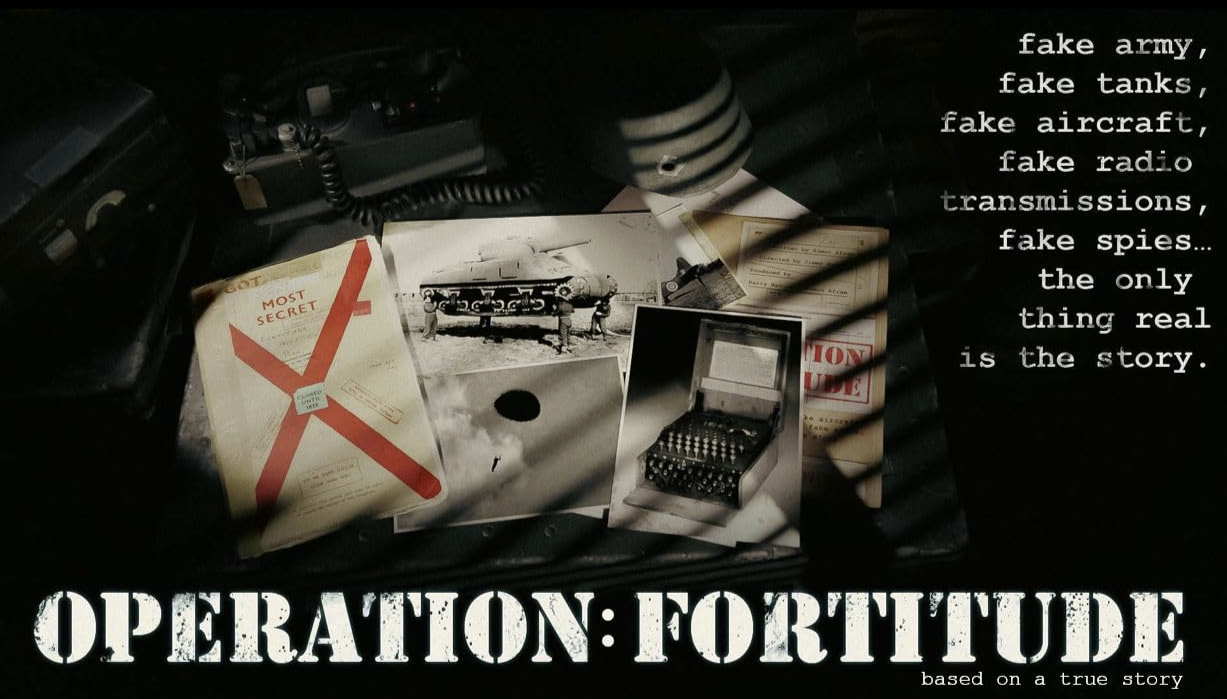
Cinesite, the award-winning visual effects and animation studio, has announced its role as a key VFX partner on the upcoming historical action-thriller, Fortitude. Directed by Simon West (Con Air, Lara Croft: Tomb Raider) and starring Matthew Goode (The Imitation Game), Ed Skrein (Jurassic World: Rebirth), Jordi Mollà (Mobland), Alice Eve (Star Trek Into Darkness), Michael Sheen (Frost/Nixon), Art Malik (True Lies), Lukas Haas (Inception), Adrian Topol (Franz + Polina), Emilio Sakraya (Sixty Minutes), Freddy Carter (Shadow And Bone), Paul Anderson (Peaky Blinders), Ben Kingsley (Gandhi) and Nicolas Cage (Con Air).
Based on the extraordinary true events of Operation Fortitude, the film explores the elaborate Allied deception campaign that misled Nazi intelligence ahead of the D-Day landings. Cinesite’s London team is delivering a range of visual effects to bring this “war of wits” to life, including the creation of large-scale digital environments, period-accurate military assets, and the seamless integration of the famous “Ghost Army” of inflatable decoys.
The project marks a reunion between Cinesite and renowned Production VFX Supervisor Steve Begg. Cinesite and Begg have a long-standing history of collaboration on blockbuster franchises, most notably on the James Bond films Skyfall and Spectre, where they worked together to deliver some of the series’ most iconic “invisible” and practical-hybrid effects.
“Fortitude presents a challenge for us recreating the intricate ‘theatre of war’ where the visual deceptions were just as critical as the physical battles. It is a privilege to be collaborating once again with Steve Begg. Having partnered with Steve on numerous projects over the years, there is a deep shorthand and creative trust between us. We are excited to support his vision in bringing this incredible piece of history to life with the scale and authenticity it deserves.”
Zave Jackson, VFX Supervisor at Cinesite
“Fortitude is a story about the power of illusion, which makes it a perfect canvas for visual effects. Working with Simon West to recreate such a pivotal moment in history allows our team to showcase the high level of craftsmanship and historical detail we are known for. We are thrilled to be part of the team bringing this incredible ensemble cast and high-stakes story to the screen.”
Sara Rust, Executive Producer at Cinesite London
The project marks a significant addition to Cinesite’s 2026 slate, which also includes work on Michael, Masters of the Universe, Spider Noir and Lee Cronin’s The Mummy. Cinesite is helping to recreate 1940s London and the sprawling coastal landscapes of the deception campaign with cinematic scale and historical precision.
Simon Afram is producing alongside Georgette Turner (Fantastic Beasts Franchise), Reza Roohi (ATL Hustle), and Edward Kahl (Queen of Manhattan), with executive producers Bianca Goodloe (Mission: Impossible II), and David Scaramanga.
Fortitude is scheduled for a worldwide theatrical release in late 2026.
A WORLD STILL INFECTED: UNION VFX RETURNS FOR 28 YEARS LATER: THE BONE TEMPLE
Union lift the curtain on their work as sole VFX vendor for the fourth instalment of the film series
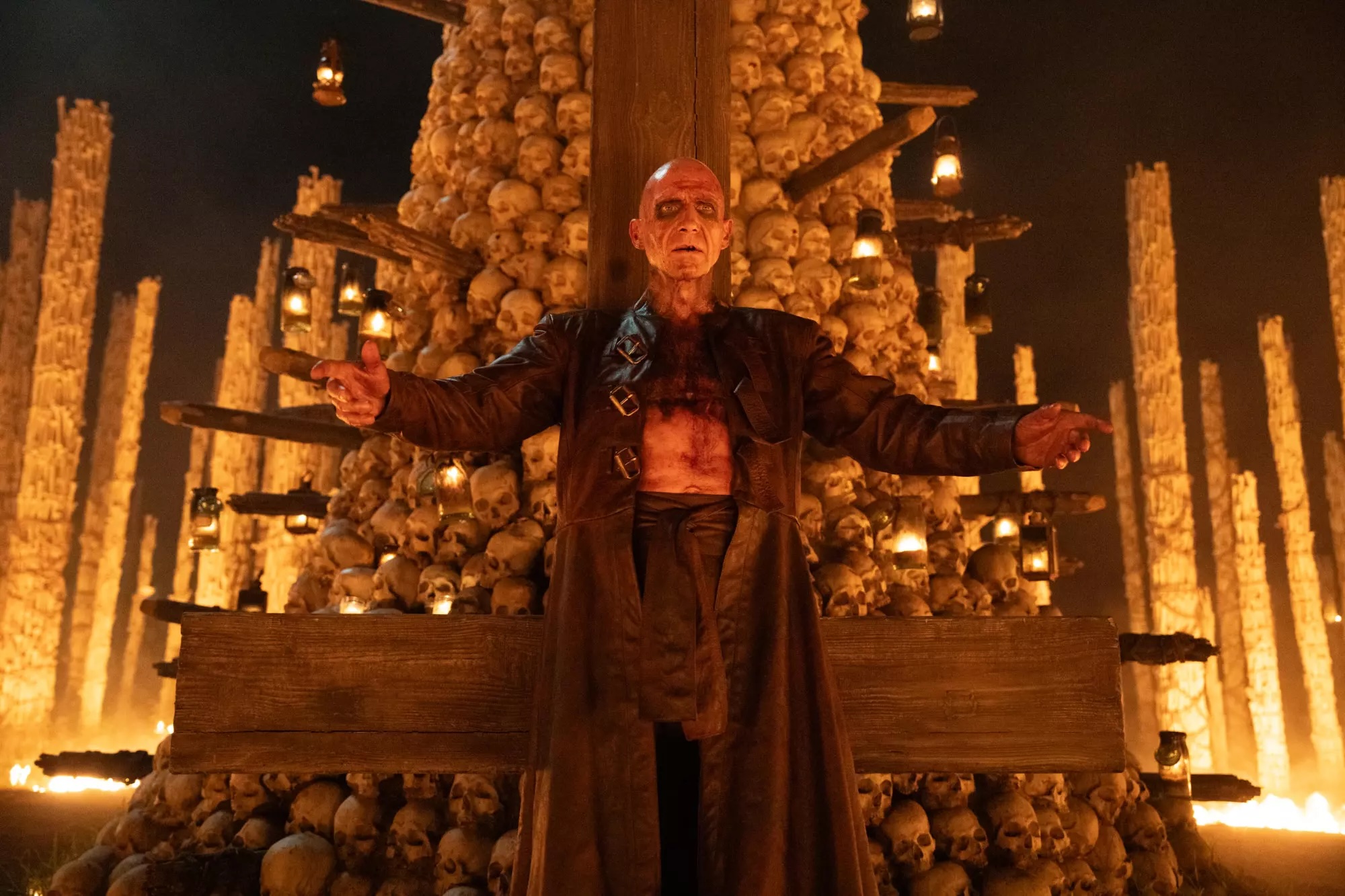
Picking up after the events of 28 Years Later, for which Union also served as sole VFX vendor, 28 Years Later: The Bone Temple continues the iconic franchise that began with 28 Days Later. The film was directed by Nia DaCosta, written by Alex Garland, and starring Ralph Fiennes, Jack O’Connell, Alfie Williams, Erin Kellyman and Chi Lewis-Parry.
Adam Gascoyne, Union Co-Founder and Overall VFX Supervisor on the previous film, returns as Executive VFX Supervisor, with Dean Koonjul serving as VFX Supervisor. Clare Norman returned as Overall VFX Producer, alongside Robert Vassie as Union’s VFX Producer.
Expanding upon the world created by Danny Boyle and Alex Garland in 28 Years Later – but turning that world on its head – Nia DaCosta directs 28 Years Later: The Bone Temple. In a continuation of the epic story, Dr. Kelson (Ralph Fiennes) makes a discovery that could change the world as they know it – and Spike’s (Alfie Williams) encounter with Jimmy Crystal (Jack O’Connell) becomes a nightmare he can’t escape. In the world of The Bone Temple, the infected are no longer the only threat to survival – the inhumanity of the survivors can be stranger and more terrifying. With approximately 380 shots, visual effects were crucial in bringing to life a world still ravaged by the Rage Virus.
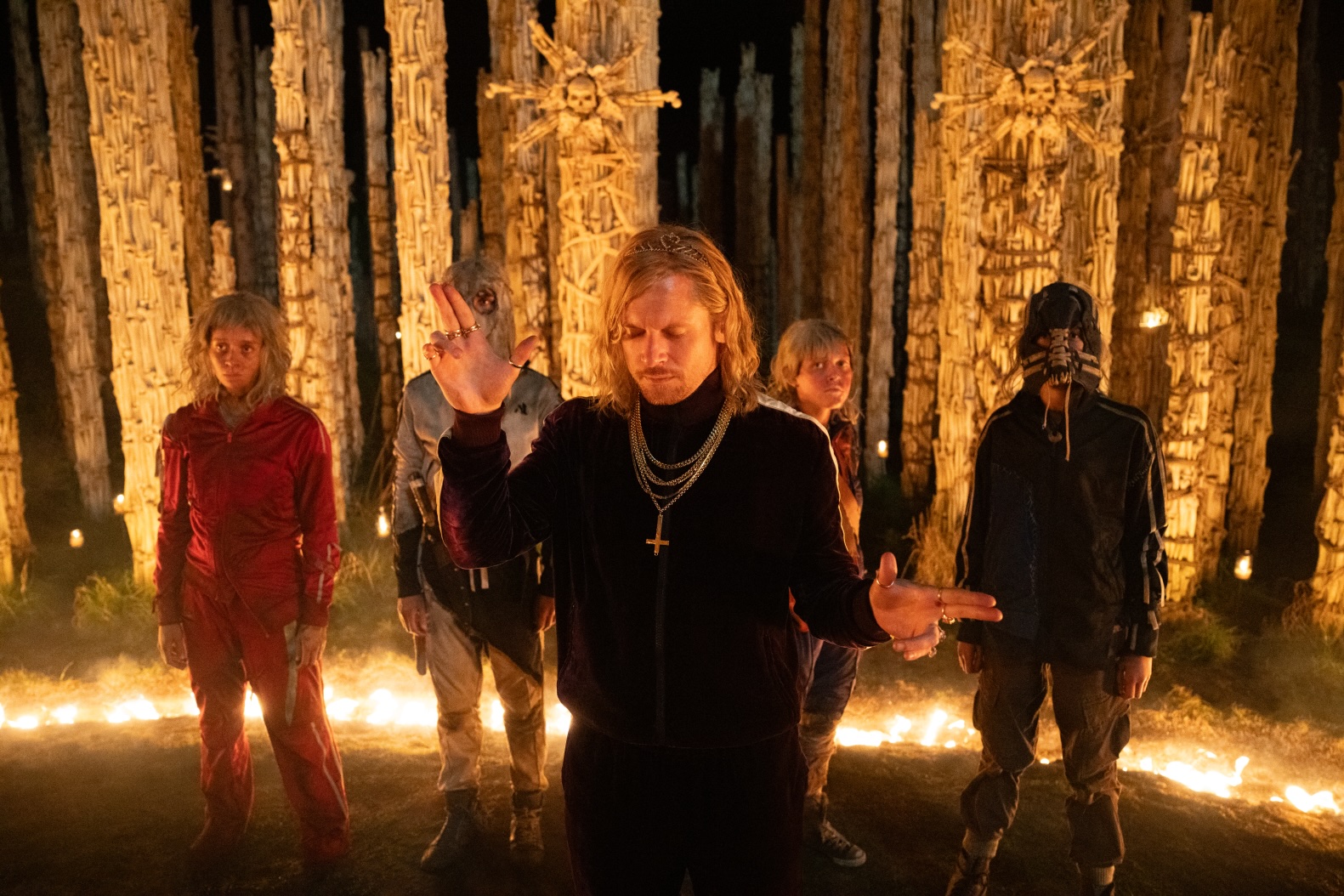
The opening sequence relied heavily on VFX, which played their part in nearly every sequence of the film. Whether subtle or overt, these effects were essential not only for storytelling but also for making the apocalyptic world feel believable.
The story begins at an abandoned leisure centre, where Spike and the “Jimmys” gather for a brutal initiation: a fight to the death, with survival earning a place in the group. Shot in a derelict leisure centre featuring a disused water park, the sequence required extensive VFX work to further age and weather the interior. Layers of moss, dirt, and decay were added throughout, alongside detailed blood and gore enhancements during the fight itself, which takes place in an empty swimming pool. This included digital weapons, arterial blood spray at the moment of impact, and an expanding pool of blood as the defeated Jimmy bleeds out.
The sequence culminates in a key establishing shot, as the camera pulls away to reveal the wider world beyond.
The leisure centre exterior was shot on location in Bradford. Union carried out substantial digital environment work to enhance and extend the location, adding surrounding buildings, terrain, and architectural elements to reinforce the post-apocalyptic world. This included abandoned and burned-out housing and vehicles, and distant cityscapes.
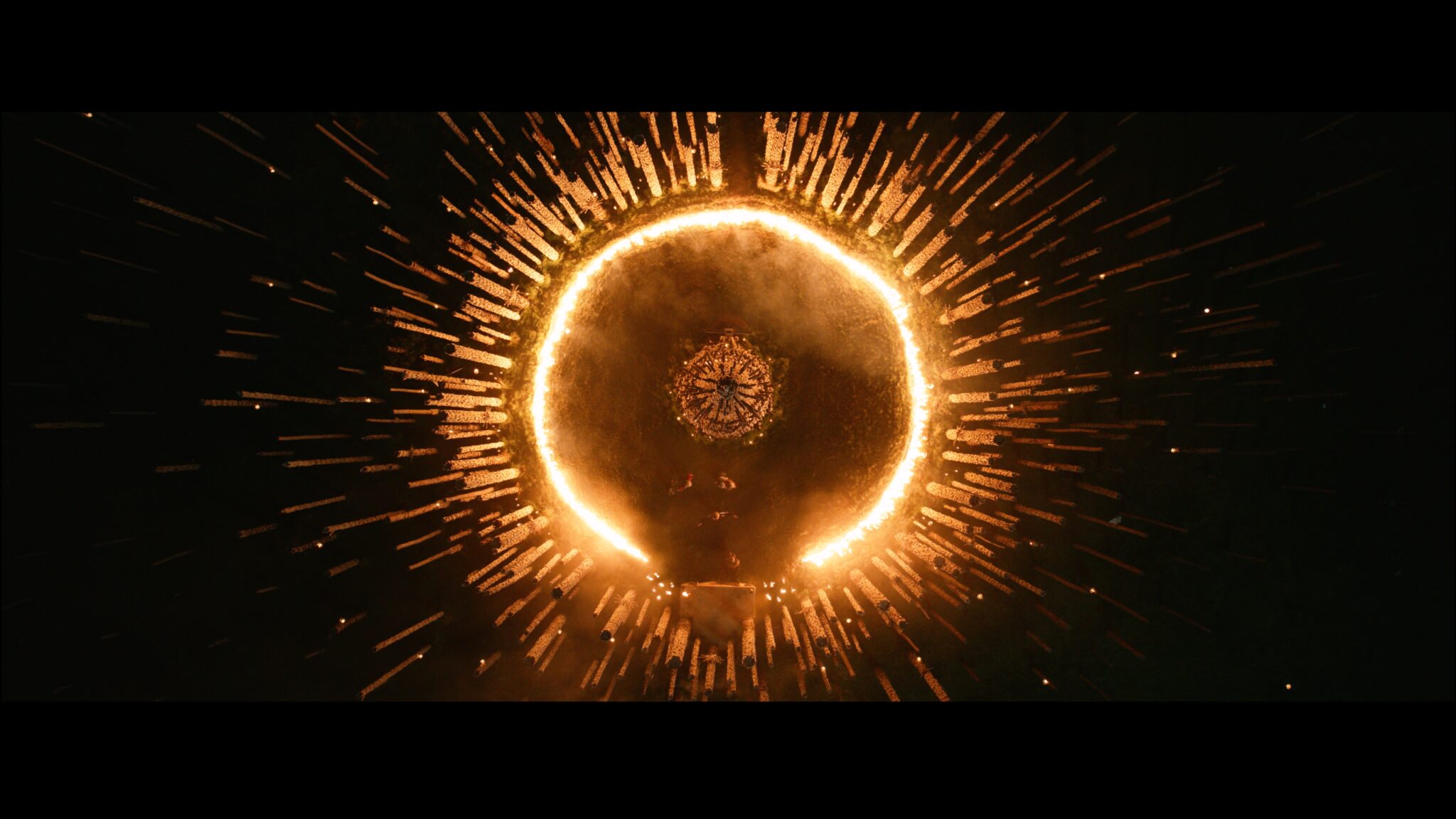
“There’s a VFX hole in the ceiling of the dilapidated building. The camera pans up through the gap and out into the grim, derelict environment beyond. We extended and aged the surroundings and added tall, industrial, stupa-like chimneys—a precursor to what we see later in the film at the Bone Temple itself.”
Dean Koonjul, VFX Supervisor at Union VFX
Other environment work throughout the film involved several digital extensions of real locations to help geographically connect the various shoot locations, alongside the “28 Years Later” approach of rewilding and ageing existing environments that was established in the previous film.
Additional VFX work across the film included a blend of 2D and 3D effects, such as weapon augmentation, blood and gore enhancements, infected character treatments, burning-man head replacements, bird murmurations, extensive set extensions, and large-scale environment work.
Watch Union’s VFX breakdown reel here:
HARBOR APPOINTS ADAM WATSON AS EXECUTIVE CREATIVE DIRECTOR, VFX
Harbor strengthen their creative leadership
Harbor Picture Company has named Adam Watson Executive Creative Director, VFX, further strengthening the company’s creative leadership across cinematic, experiential, and brand-led storytelling.
Watson brings more than 20 years of experience across feature films, episodic television, and global brand work, with senior creative leadership roles at Animal Logic, The Mill, Electric Theatre Collective, Method Studios, and Company 3. Most recently, he led Company 3’s Special Projects group, overseeing complex, high-volume visual effects work requiring both creative sensitivity and operational precision.
He is known for shaping flagship product launches and global brand moments for one of the world’s most influential technology companies. His work spans high-end cinematic content, large-scale live experiences, and immersive visual systems designed to elevate customer experience across physical, broadcast, and digital environments worldwide.
Operating at the intersection of film craft, real-time production, and experiential design, Watson has led visual effects for global live moments, helping define how products are introduced, experienced, and remembered by audiences at scale.
In advertising, Watson has partnered directly with brands to deliver visually ambitious work that prioritizes speed, creative alignment, and cinematic quality without unnecessary layers. Most recently, he has expanded into directing, leading keynote films for PayPal and developing a vehicle efficiency film for Ford Motor Company.
Alongside his brand work, Watson has led high-end VFX for entertainment projects, including supervising a VFX team on Moon Knight, produced by Marvel Studios. His work spanned compositing, environment extensions, and episodic visual effects under accelerated schedules, delivering cinematic results aligned with the series’ distinctive visual language.
“Adam is a deeply experienced creative leader who understands both the craft and the realities of modern production. He brings clarity, ambition, and trust to the work, and his leadership will be key as we continue to scale Harbor’s VFX offering across advertising and entertainment.”
Massimo D’Avolio, EVP, Post Production at Harbor Picture Company
“Harbor has built a reputation for award-winning craft and a culture that genuinely values creative ambition. I’m excited to collaborate with the extraordinary artists and teams here, and to partner with brands, agencies, and filmmakers to create work at the highest level.”
Adam Watson, Executive Creative Director, VFX at Harbor Picture Company
HOW CIRKUS QUOTES AND RATES STREAMLINE POST-PRODUCTION
From Guesswork to Clarity
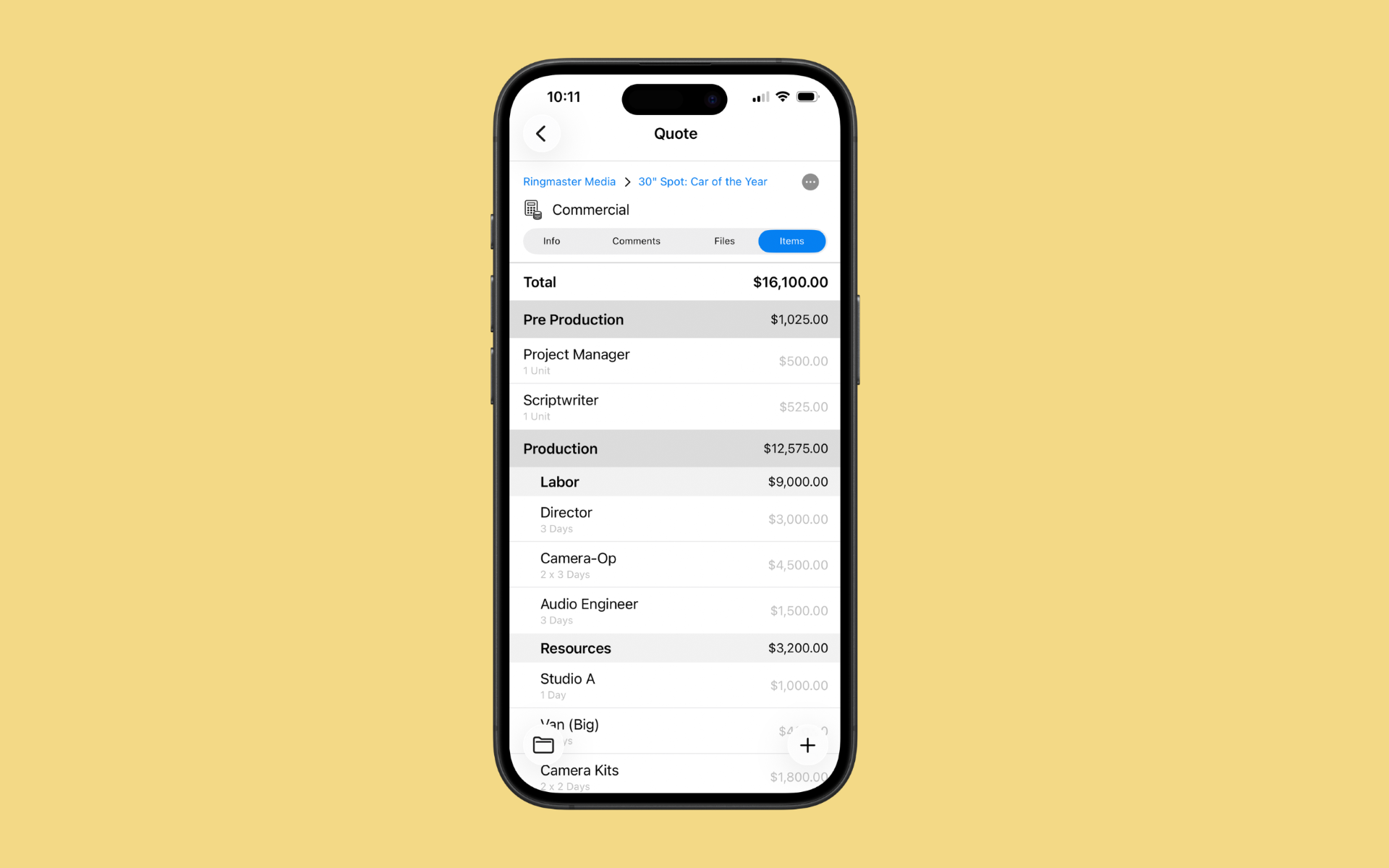
For post-production teams, the space between creative work and financial planning is often where margins get tight. Cirkus Quotes & Rates helps bring those two worlds closer together — without adding complexity to your workflow.
When quoting feels heavier than it should
Many studios still build quotes in spreadsheets — referencing the last project, adjusting numbers manually, double-checking formulas. It works… until it becomes time-consuming or something small slips through the cracks.
A day rate slightly off. A resource not included. A quote delayed because the team is focused on delivery. These situations are common when quoting lives separately from the production process.
Over time, that disconnect can lead to budgets that feel less predictable and financial conversations that are harder than they need to be.
Quotes that reflect how you actually work
Cirkus allows you to create quotes directly inside your projects — connected to the work itself rather than stored in a separate file. You define rates for team members, roles, and equipment, then generate structured, accurate quotes in minutes.
- It’s designed to support the way post-production is really priced:
- Charge per hour, per day, per deliverable — or create custom units
- Assign different rates to different roles and resources
- Structure quotes with categories and line items that mirror your workflow
- Export to PDF and share with clients
→ Blue Juice, a digital media agency, reduced the time spent on quoting by 90% after moving to Cirkus.
Financial visibility, built into production
The real advantage isn’t just speed — it’s visibility.
When rates are connected to real resource scheduling, you gain a clearer view of a project’s financial shape while it’s still in motion. You can better understand where value is being generated, where time may be under-priced, and when adjustments might be needed.
And because Cirkus is available on iOS and macOS, you can review, adjust, and manage quotes directly from your device — whether you’re in the studio, at home, or between meetings.
It’s about making informed decisions earlier — not reacting later.
Less admin, smoother momentum
Cirkus was built specifically for media operations. That focus makes a difference when you’re managing multiple productions, collaborating across time zones, or coordinating freelancers alongside in-house teams.
With Quotes & Rates, your financial workflow is integrated with the rest of your production tools:
- Reusable quote templates
- Built-in comments and collaboration
- Multiple currencies and custom units
- One connected workspace for quotes, schedules, projects and resources
If bringing more clarity and consistency to your quoting process sounds valuable, Cirkus Quotes & Rates is available as part of the Cirkus platform. Setup is straightforward — define your currencies and rates, and start building quotes inside your active projects.
A simpler way to connect creative work and financial insight.
farmerswife and Cirkus to Showcase Smarter Media Workflows at NAB Show 2026, Co-Exhibiting with EditShare
farmerswife is inviting broadcast and post-production teams to experience next-level resource planning, project management, and media workflows at NAB 2026

farmerswife, the industry-leading enterprise operations platform for broadcast and post-production, announced that they will exhibit at NAB Show 2026 in Las Vegas, alongside farmerswife’s project management solution, Cirkus. This year marks a significant milestone as farmerswife will co-exhibit with EditShare, a leader in collaborative media storage and workflow solutions, at Stand N1251 in the North Hall of the Las Vegas Convention Centre.
farmerswife: Powering Enterprise Media Operations
Trusted by broadcasters, post houses, and media organisations worldwide, farmerswife transforms complex production environments into structured, data-driven operations.
Designed for scale, farmerswife connects people, resources, schedules, and finances in one enterprise-ready platform — giving organisations the confidence to plan smarter and operate more profitably.
Live demonstrations at NAB will showcase:
- Intelligent resource and talent scheduling
- Studio and equipment management
- Real-time budget tracking and financial oversight
- Time reporting and utilisation analytics
- Multi-location and enterprise architecture
Cirkus: Where Production Teams Align and Deliver
Cirkus brings clarity to the fast-moving world of content production. Built specifically for media workflows, Cirkus connects planning with execution — ensuring every task, asset, and approval moves forward efficiently.
Cirkus is accessible across Web, Mac, and iOS, Cirkus keeps teams aligned whether in-office, on set, or remote.
At NAB, Cirkus is offering:
- A fully customisable task grid tailored to your production workflow
- Advanced asset and production scheduling
- Integrated communications in context
- Structured request and approval pipelines
- Built-in quoting for streamlined client engagement
EditShare: Where Media Lives
EditShare builds network shared storage, media management, and collaboration tools that power smart workflows for the media and entertainment industry. The integration between EditShare and farmerswife enables organisations to connect their media infrastructure directly with operational planning — creating a seamless bridge from ingest to delivery.
“At NAB, we’re showcasing how Analytical AI and high-performance storage come together within the EditShare platform to support modern broadcast and post-production environments. We’re also delighted to host farmerswife on our booth, highlighting how our Open API enables flexible connections between production planning and media operations.”
Brad Turner, CEO iof EditShare.
A Powerful Alliance for the Media Industry
The co-exhibition with EditShare highlights a shared commitment to providing media organisations with the operational clarity they require. By leveraging EditShare’s Open API, farmerswife establishes a strong connection between resource planning and media management — enabling teams to plan accurately, optimise asset utilisation, and maintain full visibility from acquisition through delivery.
“NAB is the ideal platform to demonstrate how operational control and media infrastructure must work together. Our partnership with EditShare reflects our commitment to providing media organisations with the clarity, efficiency, and scalability they need to succeed.”
Jodi Clifford, CEO of farmerswife
See the Future of Connected Media Operations — Live at NAB 2026

Book a demo in advance to secure dedicated time with the farmerswife and Cirkus teams:
📅April 19–22, 2026
VISUAL EFFECTS SOCIETY ANNOUNCES WINNERS FOR THE 24TH ANNUAL VES AWARDS
From ‘Avatar’ to ‘KPop Demon Hunters’: Inside the 2026 VES Awards Winners
The Visual Effects Society has announced the winners of the 24th Annual VES Awards, which took place last night at the The Beverly Hilton in Los Angeles. The ceremony honoured outstanding achievements in visual effects across 25 categories spanning film, television, animation, gaming, technology, commercials, special venue projects, and student work.
The evening’s most decorated project was Avatar: Fire and Ash, which earned seven awards, including Outstanding Visual Effects in a Photoreal Feature. The film also received accolades for Outstanding Character in a Photoreal Feature for the character Varang, portrayed by Oona Chaplin, who presented the ceremony. A special congratulations to UK Screen Alliance Member, Industrial Light & Magic, for their fantastic work on Avatar: Fire and Ash.
In the animated feature categories, KPop Demon Hunters led with three awards. Among its honours were Outstanding Animation in an Animated Feature and Outstanding Character in an Animated Feature for the character Rumi.
Other top-category winners included Sinners for Outstanding Supporting Visual Effects in a Photoreal Feature; Prehistoric Planet: Ice Age for Outstanding Visual Effects in a Photoreal Episode; and BMW’s commercial Heart of Joy: Meet Okto the Octopus for Outstanding Visual Effects in a Commercial. A special congratulations to UK Screen Alliance Members, Industrial Light & Magic, Outpost VFX, and LIGHT for their outstanding contributions to Sinners.
Additional honourees included the video game Ghost of Yōtei (Outstanding Visual Arts in a Real-Time Project), the Disney+ series Andor (Outstanding Special (Practical) Effects in a Photoreal Project), and Azimuth (Outstanding Visual Effects in a Student Project).
“The VES is honoured to recognize brilliant artistry and technological innovation across a wide range of disciplines. The craft of visual effects is constantly evolving to push the limits of our imaginations, and tonight’s inspiring winners and nominees represent best-in-class work from around the world. Congratulations to all!”
Kim Davidson, VES Board Chair
(source: Visual Effects Society)
See the full list of winners below:
- OUTSTANDING VISUAL EFFECTS IN A PHOTOREAL FEATURE
Avatar: Fire and Ash
Richard Baneham
Peter Litvack
Eric Saindon
Nicky Muir
Steve Ingram
- OUTSTANDING SUPPORTING VISUAL EFFECTS IN A PHOTOREAL FEATURE
Sinners
Michael Ralla
James Alexander
Nick Marshall
Espen Nordahl
Donnie Dean
- OUTSTANDING ANIMATION IN AN ANIMATED FEATURE
KPop Demon Hunters
Joshua Beveridge
Jacky Priddle
Benjamin Hendricks
Clara Chan
- OUTSTANDING VISUAL EFFECTS IN A PHOTOREAL EPISODE
Prehistoric Planet: Ice Age; “The Big Freeze”
Russell Dodgson
Tracey Gibbons
François Dumoulin
Gavin McKenzie
- OUTSTANDING SUPPORTING VISUAL EFFECTS IN A PHOTOREAL EPISODE
The Residence; “The Fall of the House of Usher”
Seth Hill
Tesa Kubicek
John Nelson
Gabriel Vargas
- OUTSTANDING VISUAL ARTS IN A REAL-TIME PROJECT
Ghost of Yōtei
Jason Connell
Matt Vainio
Joanna Wang
Jasmin Patry
- OUTSTANDING VISUAL EFFECTS IN A COMMERCIAL
BMW; “Heart of Joy | Meet Okto the Octopus”
Tom Raynor
Helen Tang
Jack Harris
Alex Kulikov
- OUTSTANDING VISUAL EFFECTS IN A SPECIAL VENUE PROJECT
The Wizard of Oz at Sphere
Ben Grossmann
Tamara Watts Kent
Dr. Irfan Essa
Matt Dougan
Glenn Derry
- OUTSTANDING CHARACTER IN A PHOTOREAL FEATURE
Avatar: Fire and Ash; Varang: Leader of the Ash Clan
Stephen Clee
Stuart Adcock
Keven Norris
Joseph Kim
- OUTSTANDING CHARACTER IN AN ANIMATED FEATURE
KPop Demon Hunters; Rumi
Sophia (Seung Hee) Lee
Andrea Matamoros
Marc Souliere
Joshua Beveridge
- OUTSTANDING CHARACTER IN AN EPISODIC, COMMERCIAL, GAME CINEMATIC, OR REAL-TIME PROJECT
IT: Welcome to Derry; “The Thing in the Dark;” The Pickle Monster
Philip Harris-Genois
Pierric Danjou
Chloé Ostiguy
Jonathan Bourdua
- OUTSTANDING ENVIRONMENT IN A PHOTOREAL FEATURE
Avatar: Fire and Ash; Bridgehead Industrial City
Gianluca Pizzaia
Steve Bevins
Dziga Kaiser
Zsolt Máté
- OUTSTANDING ENVIRONMENT IN AN ANIMATED FEATURE
Zootopia 2; Marsh Market
Limei Z. Hshieh
Alexander Nicholas Whang
Joshua Fry
Ryan DeYoung
- OUTSTANDING ENVIRONMENT IN AN EPISODIC, COMMERCIAL, GAME CINEMATIC, OR REAL-TIME PROJECT
Andor; “Welcome to the Rebellion;” The Senate District
John O’Connell
Falk Boje
Hasan Ilhan
Kevin George
- OUTSTANDING CG CINEMATOGRAPHY
Avatar: Fire and Ash
Steve Deane
A.J. Briones
Zachary Brake
Andrew Moffett
- OUTSTANDING MODEL IN A PHOTOREAL OR ANIMATED PROJECT
Avatar: Fire and Ash; The Windtraders’ Gondola
Michael Smale
Sam Sharplin
Joe W. Churchill
Jacqi Dillon
- OUTSTANDING EFFECTS SIMULATIONS IN A PHOTOREAL FEATURE
Avatar: Fire and Ash; Simulating Pandora
Nicholas James Illingworth
Sarah C. Farmer
James Robinson
Ryan Bowden
- OUTSTANDING EFFECTS SIMULATIONS IN AN ANIMATED FEATURE
KPop Demon Hunters
Filippo Maccari
Nikolaos Finizio
Daniel La Chapelle
Srdjan Milosevic
- OUTSTANDING EFFECTS SIMULATIONS IN AN EPISODE, COMMERCIAL, GAME CINEMATIC, OR REAL-TIME PROJECT
Prehistoric Planet: Ice Age; The Big Freeze
Edward Ferrysienanda
Kevin Christensen
Guy Schuleman
Kevin Tarpinian
- OUTSTANDING COMPOSITING & LIGHTING IN A FEATURE
F1: The Movie; Modern Race and POV Footage
Hugo Gauvreau
Chris Davies
Raushan Raj
Amaury Rospars
- OUTSTANDING COMPOSITING & LIGHTING IN AN EPISODE
The Last of Us; “Through the Valley;” A Storm of Ice, Fire and Flesh
Tobias Wiesner
Mark Julien
Owen Longstaff
Brendan Naylor
- OUTSTANDING COMPOSITING & LIGHTING IN A COMMERCIAL
BMW; “Heart of Joy | Meet Okto the Octopus”
Alex Kulikov
Jack Harris
Adam Chabane
Nicola Borsari
- OUTSTANDING SPECIAL (PRACTICAL) EFFECTS IN A PHOTOREAL PROJECT
Andor; “Who Are You?”
Luke Murphy
Dean Ford
Jody Eltham
Darrell Guyon
- EMERGING TECHNOLOGY AWARD
Avatar: Fire and Ash; Kora Fire Toolset
Alexey Dmitrievich Stomakhin
John Edholm
Murali Ramachari
Aleksandr Isakov
- OUTSTANDING VISUAL EFFECTS IN A STUDENT PROJECT
Azimuth
Thomas Teisseire
Cassandre Cinier
Martin Bluy
Mathis Giraudeau
CLEAR CUT GROUP MAKES TWO SENIOR HIRES
To kick off 2026, Clear Cut Group has made two senior hires to bolster further its strong post-production offering
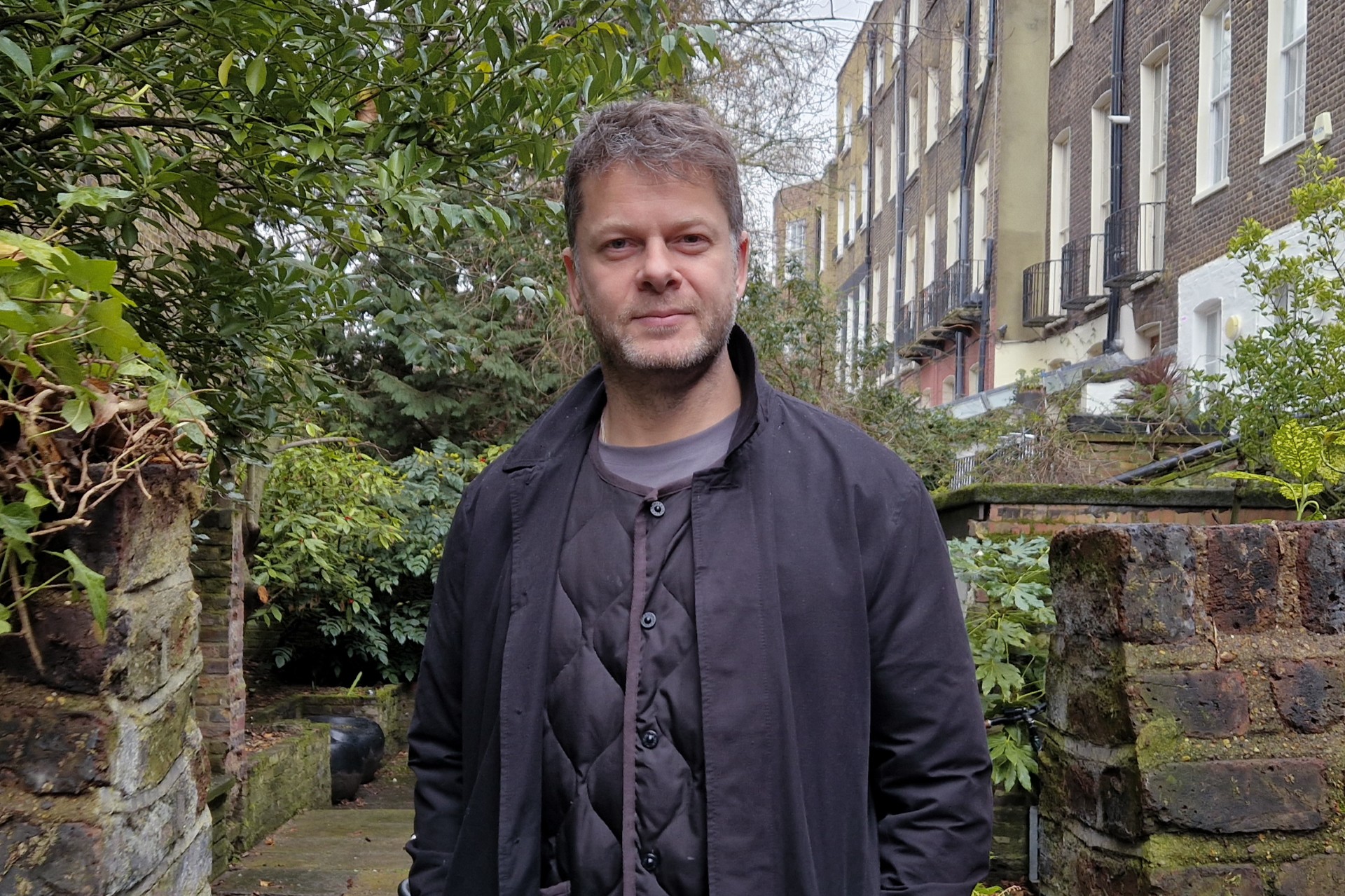
Alastair McCleave has joined Clear Cut as a Senior Dubbing Mixer. The studio is known for its strong audio team and Alastair’s experience builds further on that. He has established an impressive credit list from his time at Picture Shop and more recently at Evolutions. His recent projects have included ‘Jerry Springer: Fights, Camera, Action’ – Minnow Films for Netflix; ‘Sven’ – Whisper Films Feature for Amazon Studios; and ‘Killing Grounds: The Gilgo Beach Murders’ – Empress Films for Amazon Studios.
‘I’m delighted that Alastair has joined us. His extensive experience mixing across all broadcast genres, but especially high-end documentaries and factual entertainment, make him a natural fit for us. It’s really good to be building the team in this current climate, especially with someone’s of Alastair’s calibre.’
Ben Newth, Head of Audio for the Clear Cut Group
‘I’m excited to be joining the respected and well-established company Clear Cut Pictures. It was important to me to join a post-production company that I felt creatively aligned with, sharing my passion for audio and building strong client relationships. Having met Ben and the team, I know they’re a great fit for my next move. I look forward to continuing to work with amazing clients and contributing to Clear Cut’s outstanding portfolio of work.’
Alastair McCleave, Senior Dubbing Mixer for the Clear Cut Group
The business also welcomes Michelle Tesfamichael as Client Services and Facilities Manager. Michelle has previously worked at Aquarium Studios, the renowned Film and Drama Audio Facility, while more recently she has worked internationally as a Project Manager.
‘Clients are at the heart of everything we do at the Clear Cut Group and adapting our services to meet their needs is an essential part of how we operate. Michelle brings a laser insight into client service and strengthens our team, while also enabling us to focus on building new services across our four sites.’
Rowan Bray, Group Managing Director of the Clear Cut Group
‘I’m truly excited to be joining a team, the commitment to evolving services and continually raising the bar across the company is incredibly inspiring, and I’m looking forward to contributing to that momentum while delivering exceptional value to our clients’
Michelle Tesfamichael, Client Services and Facilities Manager for the Clear Cut Group
Some programmes recently post produced at Clear Cut Group include; ‘Amamda and Alan’s Greek Job’ – Voltage TV for BBC One; ‘Mission to Space with Francis Bourgeois’ – Shine TV for Channel 4; ‘Our Man in Moscow’ – BBC Panorama for BBC One; and ‘Arctic Adventure: Ultimate Survival’ – Caravan Media for Channel 4.
CIRKUS’ LATEST SUCCESS STORY: BLUE JUICE WORKFLOWS
Delving into a Cirkus case study: from workarounds to production-ready workflow
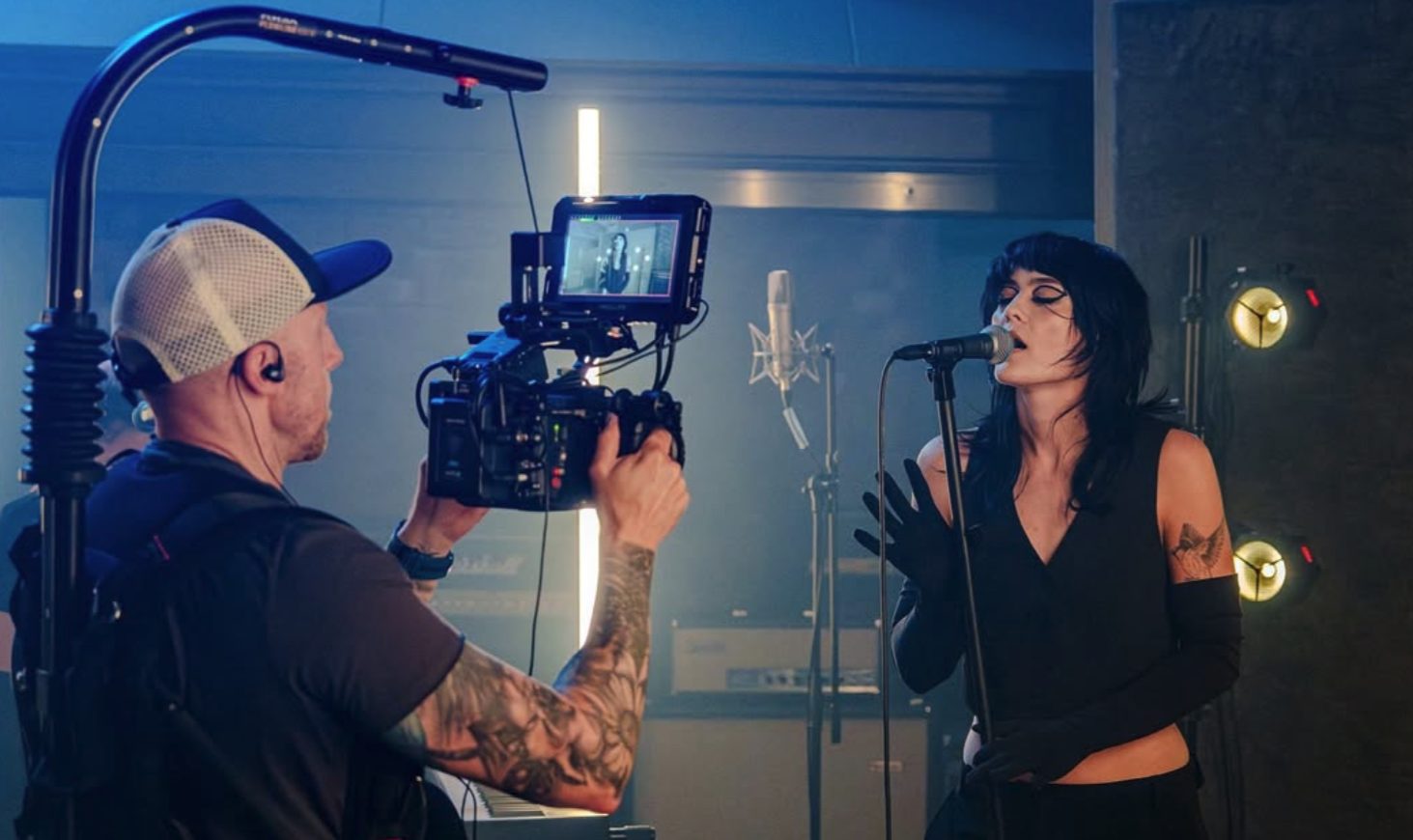
Cirkus is an all-in-one collaboration and task management platform designed specifically for post-production teams. Developed by the experts behind farmerswife, Cirkus is built around the day-to-day realities of post: bringing together tasks, assets, reviews, notes, deadlines and quotes into a single, intuitive workspace.
Designed to withstand the pressures of modern production, Cirkus helps teams stay aligned as priorities shift and feedback evolves – giving everyone clarity on what’s happening, what’s changing and what needs attention next.
Evolving with the Content Landscape
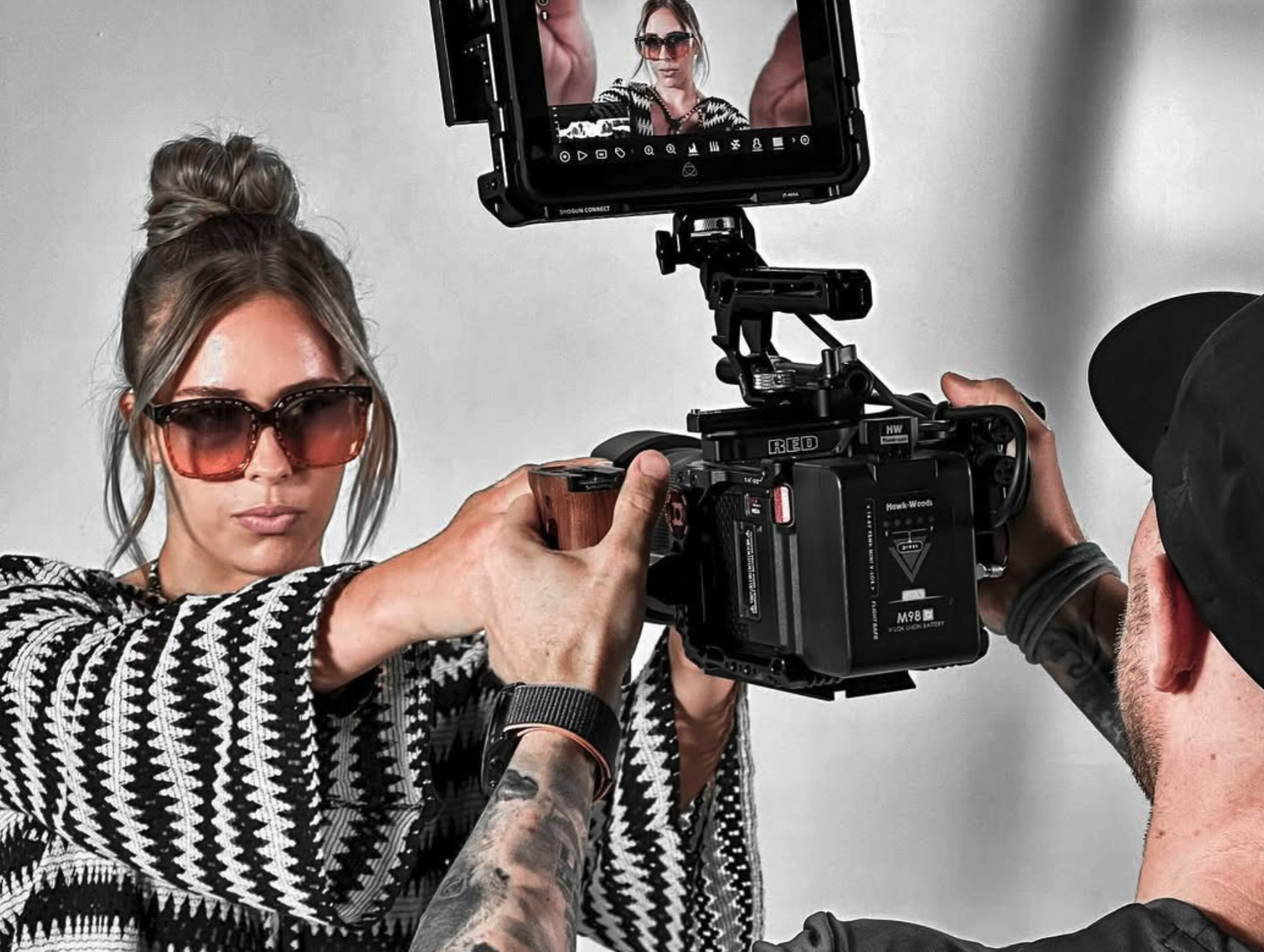
Digital media agency Blue Juice has been running since 2009, and in that time, the content landscape has changed dramatically.
“When I started the company, it was all YouTube and Vimeo — no social media as we know it today. Now we’re involved in immersive video, 360 video, virtual production, as well as all the staple marketing and social content.”
Craig Sawyer, Creative Director of Blue Juice
As formats diversified and client expectations grew, so too did the complexity of managing projects, people and equipment. What once worked for a small team handling straightforward online content was no longer fit for a business delivering across immersive, social and virtual production workflows.
Before Cirkus
Prior to adopting Cirkus, Blue Juice had trialled several project management platforms, including Asana. However, as a tool built to serve multiple industries, it often required adaptation to suit the realities of content production.
The team needed functionality that reflected the specificity of post-production, including:
- Asset management
- A quotation system
- Custom fields that properly reflected content production
Cost was also becoming a concern.
“When we moved from five to six users, we effectively had to pay for ten. Adding one freelancer doubled our project management cost.”
Craig Sawyer
With software subscriptions already mounting across the business, this pricing structure became a decisive factor in seeking a more suitable solution.
Moving to Cirkus
Blue Juice began using Cirkus in November 2025 and fully onboarded the team in January 2026. Although they’re still refining workflows, Cirkus already integrated into daily operations.
“For me, I use it extensively for creating quotes. It saves probably 90% of the time it used to take manually creating quotes. I can quickly drag and drop and create predefined pricing for various elements.”
Craig Sawyer
Today, Cirkus is used across the company to:
- To monitor all projects and new business
- To track post-production edits (internal and client review)
- To support accounts with invoicing
- To monitor kit resources and see when additional hire may be needed
“I feel I have much more visibility over availability and am able to look at kit resources and know when we might need to hire kit in because we’ve got jobs happening on the same day.”
Craig Sawyer
Early Impact and Long-Term Potential
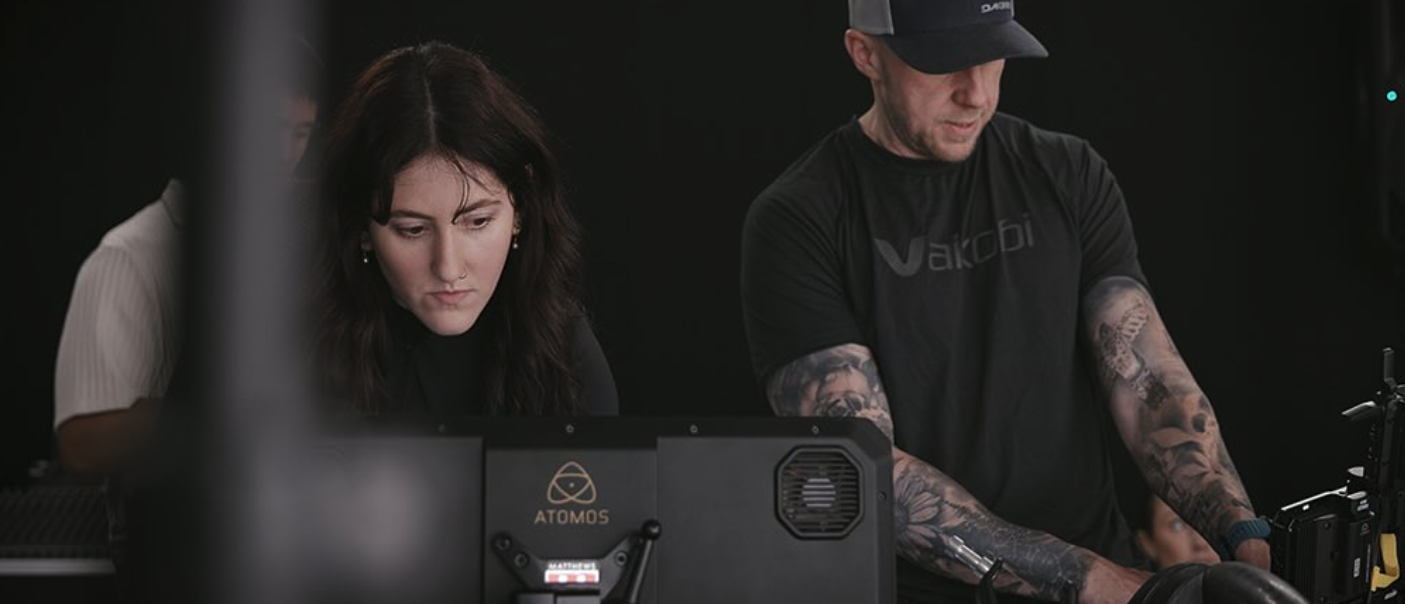
The immediate benefits are clear:
- Significant time savings in quotation creation
- Reduced project management costs compared to Asana
- Greater transparency across schedules and resources
“I’m sure that once the rest of the team gets up to speed with how Cirkus does things — which is slightly different to Asana — there’ll be lots of improvements there as well.”
Craig Sawyer
Crucially, the transition process itself played a major role in the successful adoption.
“The onboarding process was amazing. Joel has been absolutely fantastic. I don’t think we would have signed up had we been left to our own devices and had to try and work out how to set up Cirkus.”
Craig Sawyer
As post-production workflows become ever more complex, tools designed specifically for the sector are increasingly essential. For Blue Juice, Cirkus is already proving to be more than a project management platform: it is becoming a core part of a production-ready workflow.
Harbor Appoints David Brown as Executive Producer, VFX – Entertainment
Harbor Picture Company today announced the appointment of David Brown as Executive Producer, VFX Entertainment. Based in Los Angeles, Brown will lead the growth and evolution of Harbor’s VFX offering across its entertainment division, with a focus on scaling technology in support of premium film and television storytelling.
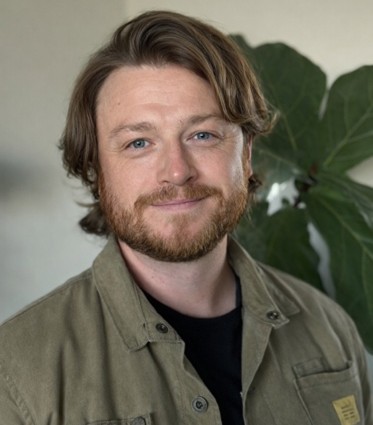
In this role, Brown will oversee the expansion of Harbor’s VFX capabilities for entertainment, guiding and building new creative teams while partnering with clients on VFX-driven productions. He will work closely with Harbor’s global leadership to align VFX artistry with advanced pipelines, secure infrastructure, and new tools designed to improve efficiency, creative iteration, and decision-making across the post-production lifecycle.
Brown brings more than a decade of experience producing and overseeing visual effects for premium scripted content. Most recently, he served as Executive Producer and Business Development lead at Ingenuity VFX and Ghost VFX, collaborating with global teams on projects including The Walking Dead franchise, The Mandalorian, Shadow and Bone, The Pitt, and Fear the Walking Dead. As a VFX Producer, Brown has been credited on over 70 film and television series across drama, genre, and tent-pole features.
“David understands that the future of VFX sits at the intersection of craft, technology, and intelligent workflows,” said Massimo D’Avolio, EVP of Post at Harbor. “As we continue to invest in talent, advanced pipeline design, and globally connected teams, David will be instrumental in growing our VFX department in a way that enhances creative control while giving clients smarter, more flexible ways to scale their work.”
Brown’s appointment follows continued investment by Harbor in intelligent post-production infrastructure, including workflow optimization, secure global connectivity, and integrated systems that support real-time collaboration across color, sound, VFX, and editorial. These tools are designed to give filmmakers greater creative control while enabling Harbor to deliver complex work efficiently at global scale.
“I’m excited to join Harbor at a moment when craft led studios and technology are becoming a practical part of how great work gets made,” said Brown. “Harbor’s approach is grounded in using technology to empower artists, streamline production, and support clients through increasingly ambitious projects. I’m looking forward to building VFX teams and workflows that are as innovative as the stories they help bring to life.”
JFX Expands Senior Creative Team with the Appointment of Ingo Putze and Jenn Epstein

JFX, one of the UK’s leading boutique VFX studios, today announced the expansion of its senior creative leadership team with the appointment of Ingo Putze and Jenn Epstein as VFX Supervisor and Associate VFX Supervisor respectively, strengthening the company’s creative vision and positioning it for continued growth.
Putze joins JFX as VFX Supervisor, having previously collaborated with the team on projects including Goodbye June, the recent directorial debut of Kate Winslet. He brings a global perspective and decades of experience leading award-winning creative work, with credits including The Woman King, Shazam! Fury of the Gods and Lee. Known for his concept driven approach and ability to translate complex ideas into compelling creative vision, Putze has built a reputation for pushing boundaries while delivering meaningful results for clients.
Epstein joins as Associate VFX Supervisor, bringing extensive expertise following a varied career at established VFX houses ILM, MPC and DNEG, where she held senior compositing and 2D supervisor roles. Her recent credits include The Fantastic Four: First Steps, Blash and The Last Frontier.
Together, Putze and Epstein will partner closely with JFX leadership and creative teams to drive innovation, elevate creative output, and support the company’s expanding client portfolio.
The appointments underscore JFX’s ongoing investment in top-tier talent following a successful first year since its launch in April 2025. Housed within the Troubadour Ecosystem alongside Troubadour Studios, JFX has worked on Netflix’s Goodbye June and currently has a roster of high-end television and independent film projects in production, due for release throughout 2026.
Phil Greenlow, JFX Managing Director, commented on the appointments, “Ingo and Jenn are exceptional creative leaders whose experience and creative excellence align perfectly with JFX’s ethos and plans for the future. Their combined strengths will help us continue to deliver bold, original work while scaling our creative capabilities.”
Greenlow added, “Having both previously collaborated with JFX and Jellyfish Pictures, Jenn and Ingo have a great rapport with the team and I am proud that they are joining the team on a long-term basis, further elevating our offering.”
Putze said, “I have worked with the team at JFX across a few projects now. Their approach to the industry and care for clients and crew make them an incredible company to work for. I am very happy to be continuing our relationship and delivering more great VFX for our clients.”
Epstein added, “JFX embodies the future of VFX. Technologically, they are spearheading the studio of tomorrow, and through their values and creative standards, they are showcasing how we should be operating in 2026. I am so excited to be part of the process, leading a great team across a wide range of projects, whilst doing what I love.”